
In NASA's Launch Checks, Shaking Isn't the Same as a Shock
Published October 20, 2026
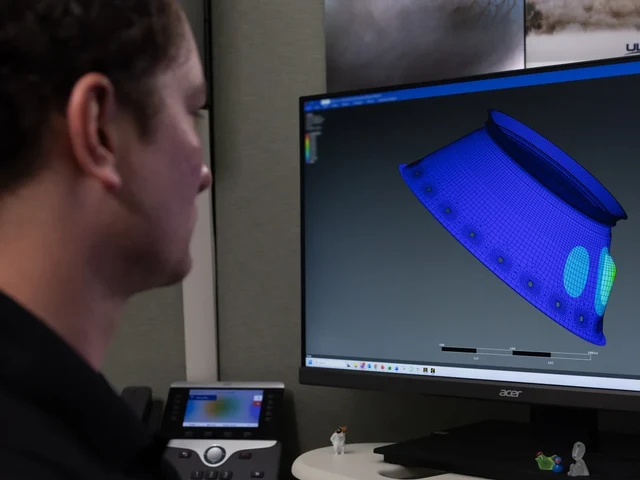
Stirling Allen examines a model in NASA's October 19 report. This is engineering analysis, not a destructive hardware test.
NASA's Kennedy engineers are standardizing finite-element analysis to examine launch vibration, sudden shocks and risks that show up during transportation.
A rocket can pass a vibration test and still leave engineers with a different question: what happens when the hardware receives a sudden jolt? The two loads belong in the same qualification conversation, but one test does not automatically answer both.
In an October 19 report, NASA describes how its Launch Services Program at Kennedy Space Center is standardizing a finite-element modeling workflow to investigate those questions. The interesting advance is practical: engineers are using an established commercial tool in a part of their work where rebuilding the analysis used to take substantial manual effort.
NASA says the team has already applied the workflow while certifying a commercial launch provider's rocket for an agency mission. The company supplied vibration testing, but not shock testing. That gap prompted a closer look, including insights into shocks during transportation. NASA does not identify the company or rocket in the announcement.
1. Separate the Loads Before Comparing the Results
Random vibration is sustained, irregular shaking. A shock is a brief disturbance. Describing a structure as able to survive shaking does not establish how it will respond to every sudden event. The important details include how a load enters the structure and how that structure responds.
The Kennedy team's job includes establishing the severity of flight environments and checking that the relevant equipment has been tested to appropriate levels. Its new workflow supports that assessment with a standardized model rather than requiring each engineer to reconstruct the setup from scratch.
For a maker, this distinction is useful even far from a launchpad. A bracket that looks stiff on a bench has not been qualified for every load its application might encounter. That is an engineering lesson, not a claim that NASA has released a universal test recipe for hobby hardware.
2. Make the Model Reusable, Not Just More Detailed
Finite-element analysis divides a structure into smaller modeled elements so a computer can calculate its response to specified conditions. The output depends on the structure, connections, materials, constraints, and loads represented in that model. A colorful plot is a result to interpret, not a certificate by itself.
NASA's report puts unusual emphasis on the workflow around the software. Dynamic-environments engineers may use finite-element tools infrequently; an elaborate process can become a process that someone has to learn again each time. A standard template makes repeatable comparisons easier and preserves a starting point for the next assessment.
The agency says this approach has already saved months by allowing its engineers to run analyses independently instead of requesting and waiting for outside reports or data. It does not publish a benchmark, a percentage speed improvement, or a before-and-after error rate. Those would be different claims, and the release does not establish them.
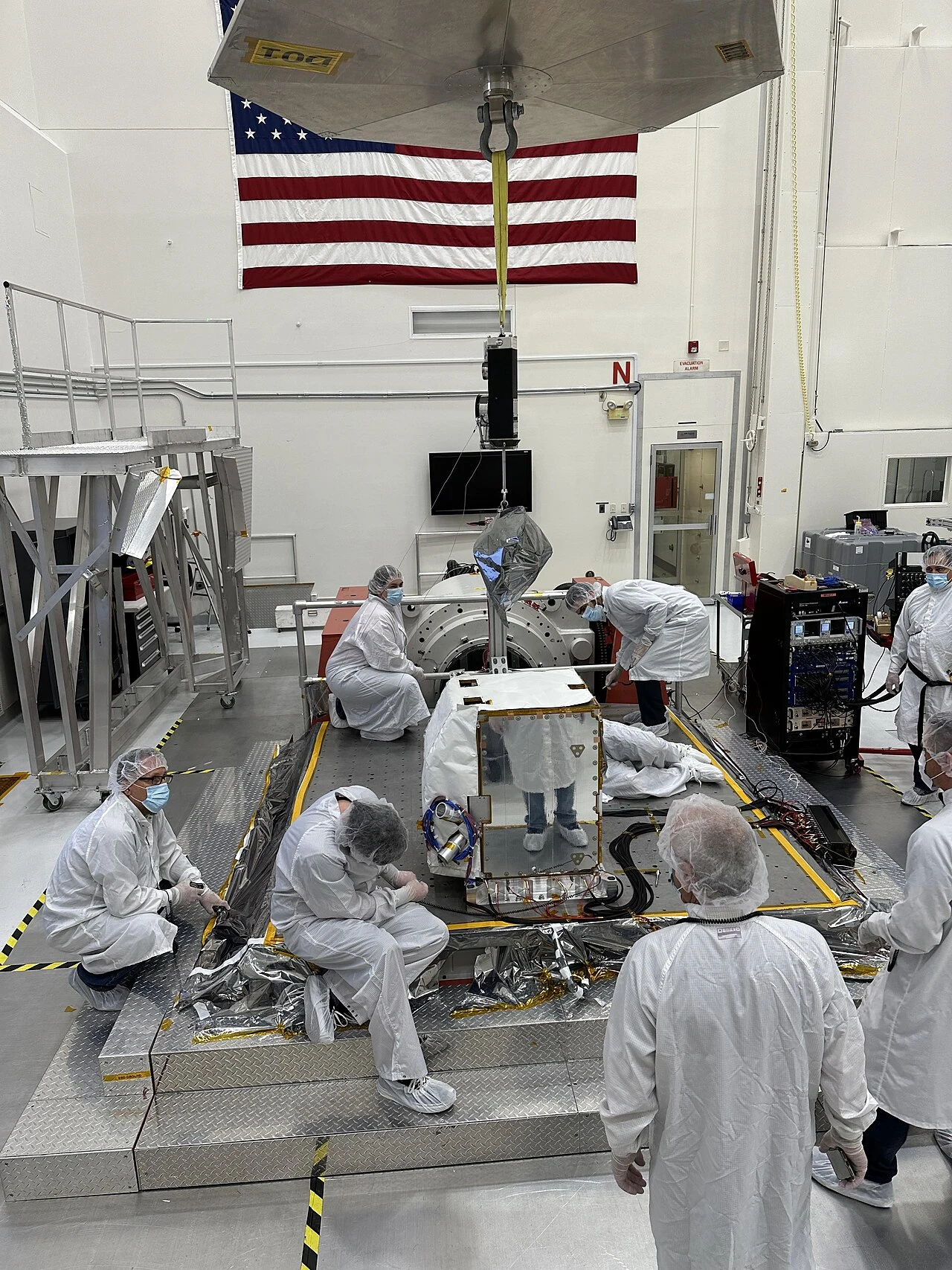
Archival context: a Carbon Mapper imaging spectrometer is prepared for vibration testing. This is not the unnamed launch provider's hardware in the new report.
3. Keep the Physical Evidence in the Loop
In the commercial-provider case, the team used the template to compare possible conditions, examine structural behavior, and verify the company's flight-environment testing results. NASA also describes refining future assessments with additional flight data.
That relationship matters. The reported improvement is a way to ask better questions about hardware and test evidence. It is not an announcement that physical qualification has become unnecessary, or that a simulation can repair a weak component after launch.
There is no new physics engine or downloadable open-source package identified in this release. The tool is commercial and unnamed. The advance worth borrowing is the discipline around it: distinguish the load cases, retain a repeatable model, and make the assumptions visible enough for another engineer to examine.
Which load would you want a build guide to document more clearly: long-duration vibration, a drop, or the knocks equipment takes in transit? Leave your questions in the comments below.
Comments
Member comments are temporarily unavailable.
Log in to join the discussion.