Science That Matters
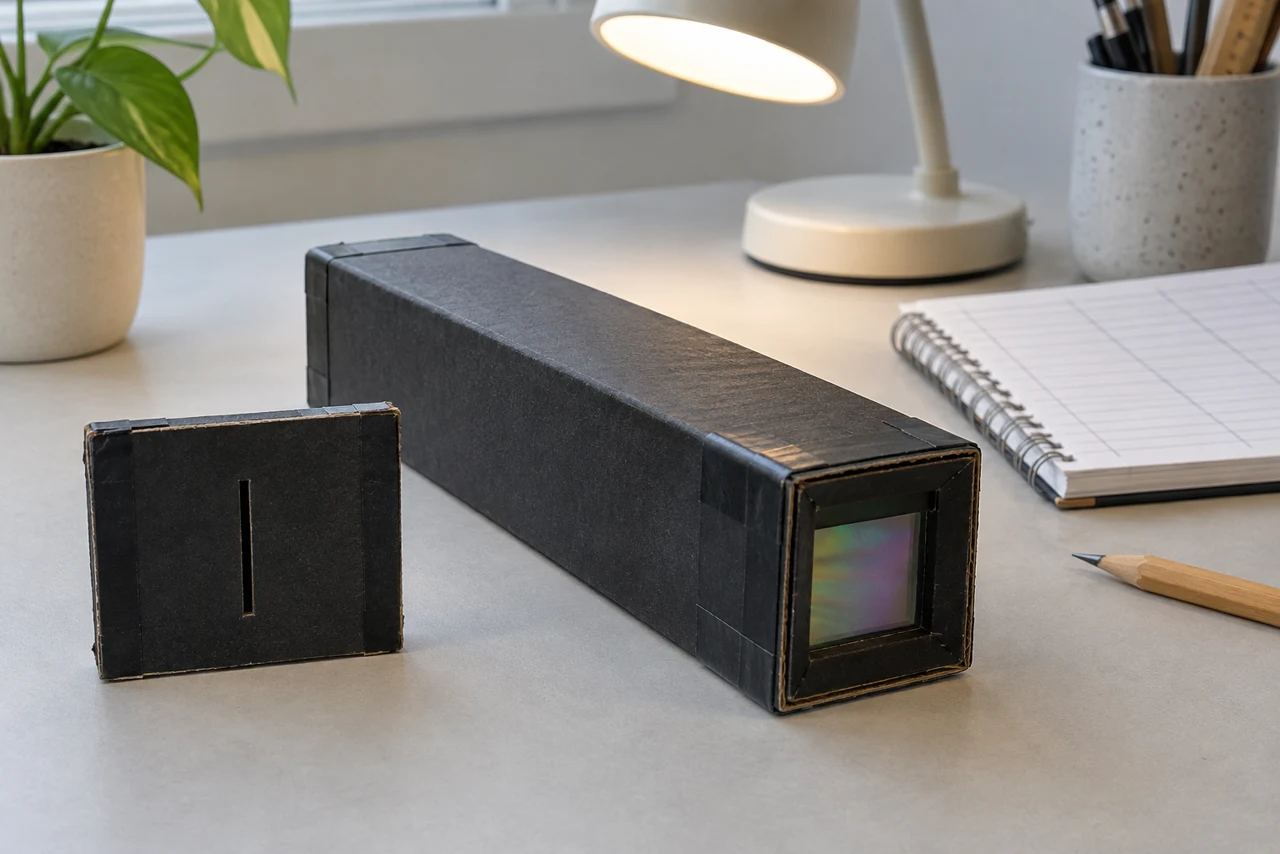
A cardboard spectroscope and a little library of lamps
Compare household light sources with a fixed slit and diffraction grating, without pretending an uncalibrated box is a laboratory instrument.
Sep 10, 2026
Explore the best in science that matters
Compare household light sources with a fixed slit and diffraction grating, without pretending an uncalibrated box is a laboratory instrument.
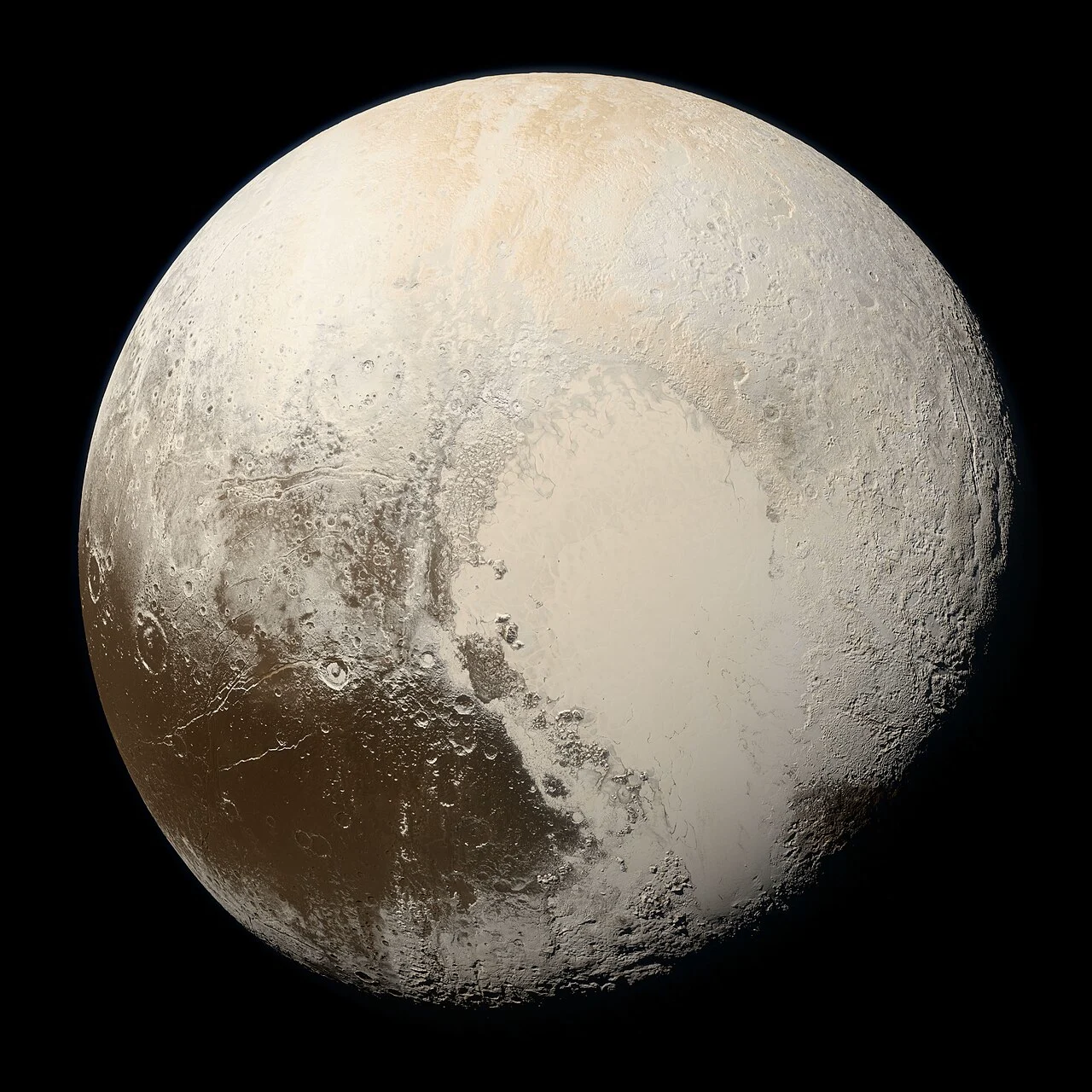
A joint Hubble-Webb survey found 27 faint worlds beyond Neptune. Their colors and scarcity offer a fresh test of how planets get their building blocks.
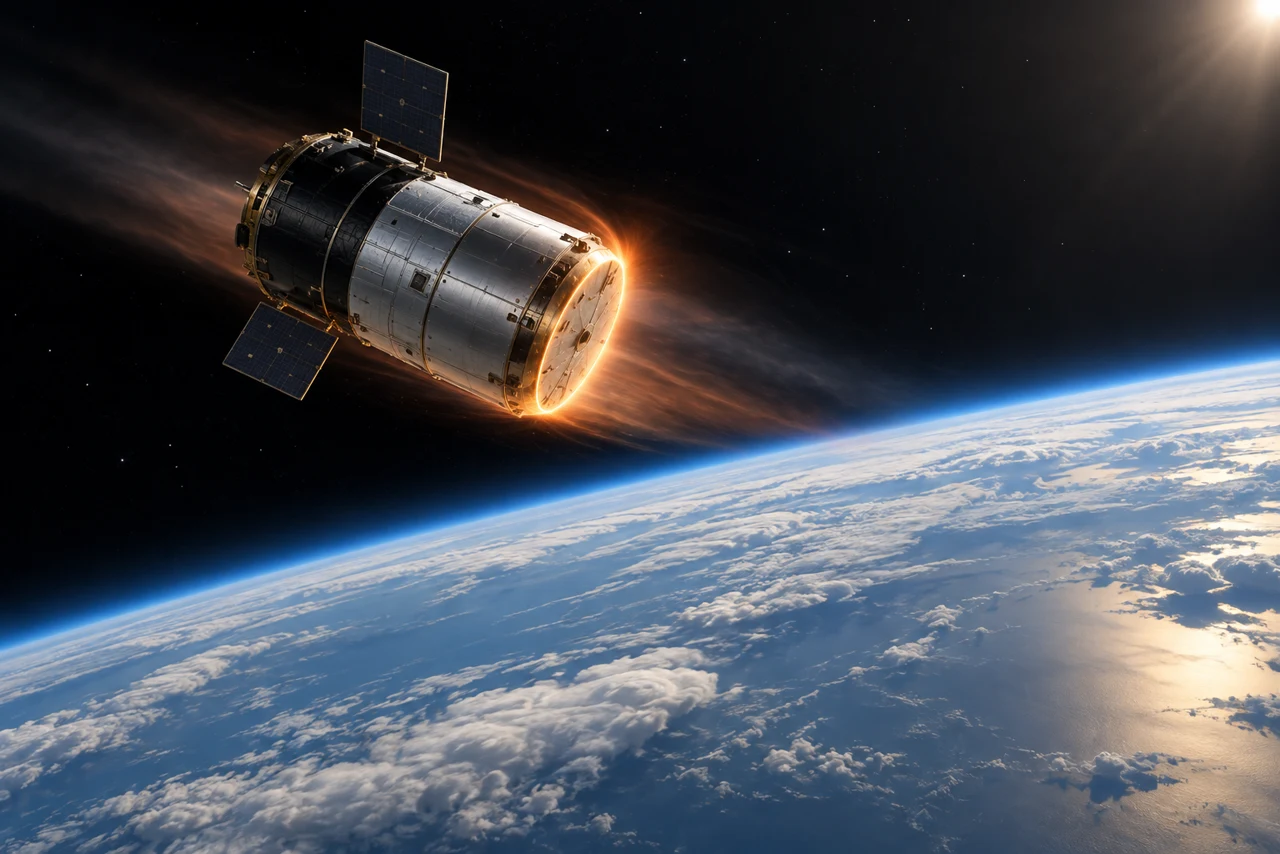
Cluster's final spacecraft reentered on September 1. An aircraft full of instruments watched its last seconds to improve the science of satellite disposal.
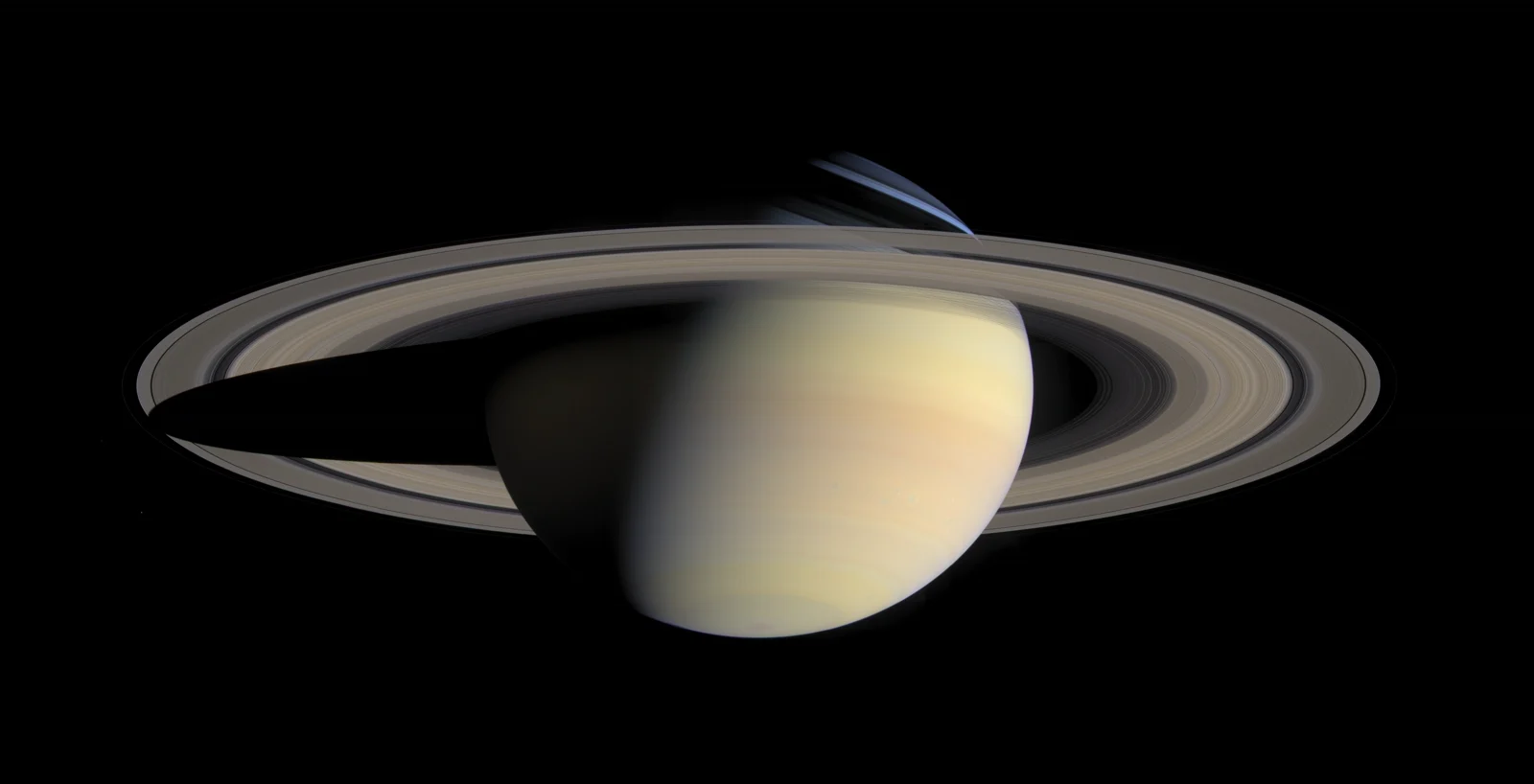
Hubble has tracked a growing ten-sided wave around Saturn's south pole. The surprise is not just its shape, but watching a planetary pattern emerge.
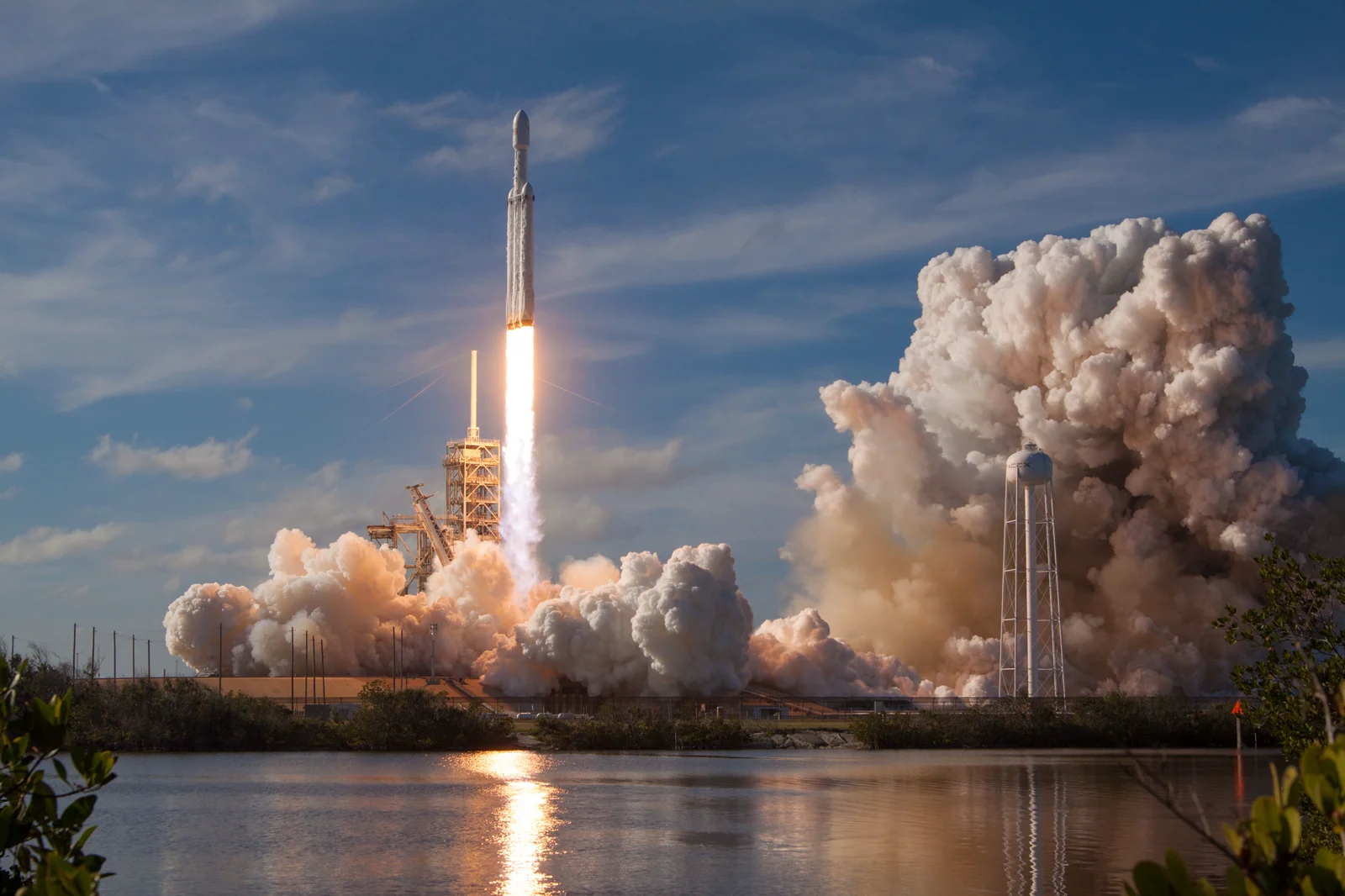
NASA's Roman telescope launched on August 30. Its wide-field camera turns Hubble-like detail into a survey machine, with commissioning still ahead.
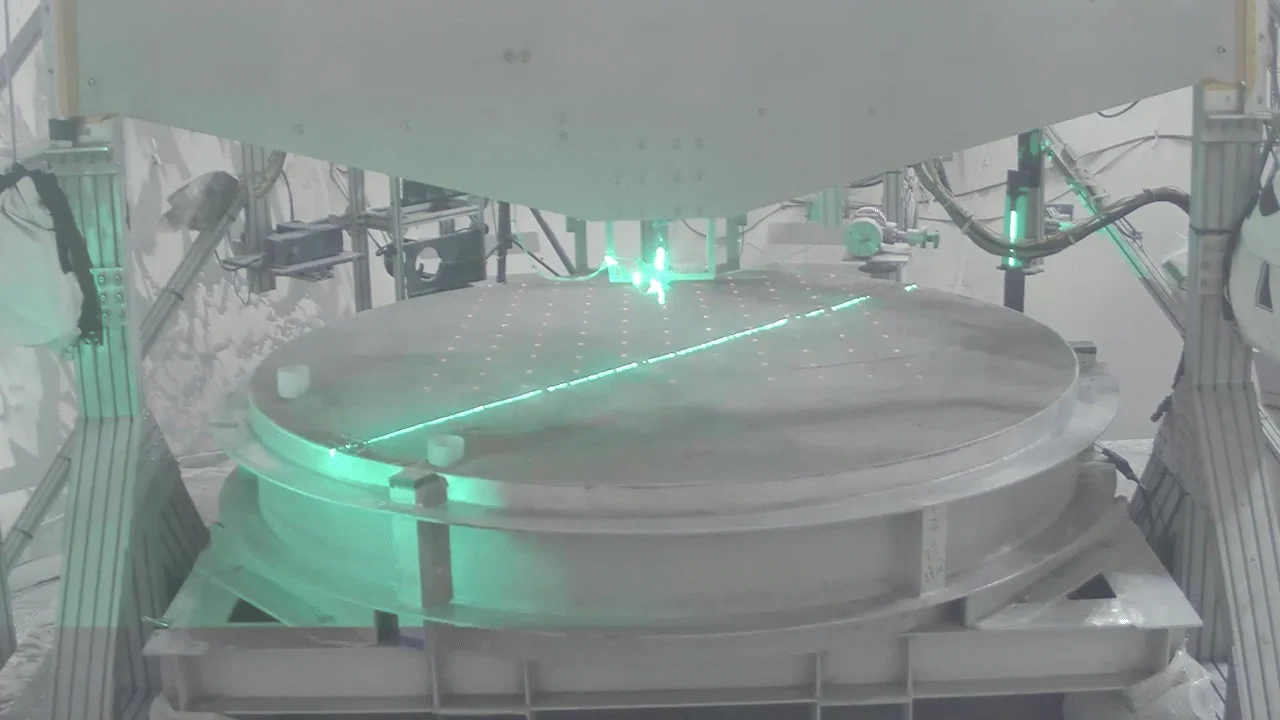
Inside a 60-foot vacuum sphere, NASA is measuring how landing-engine plumes throw lunar soil. The six-second tests target a serious landing hazard.
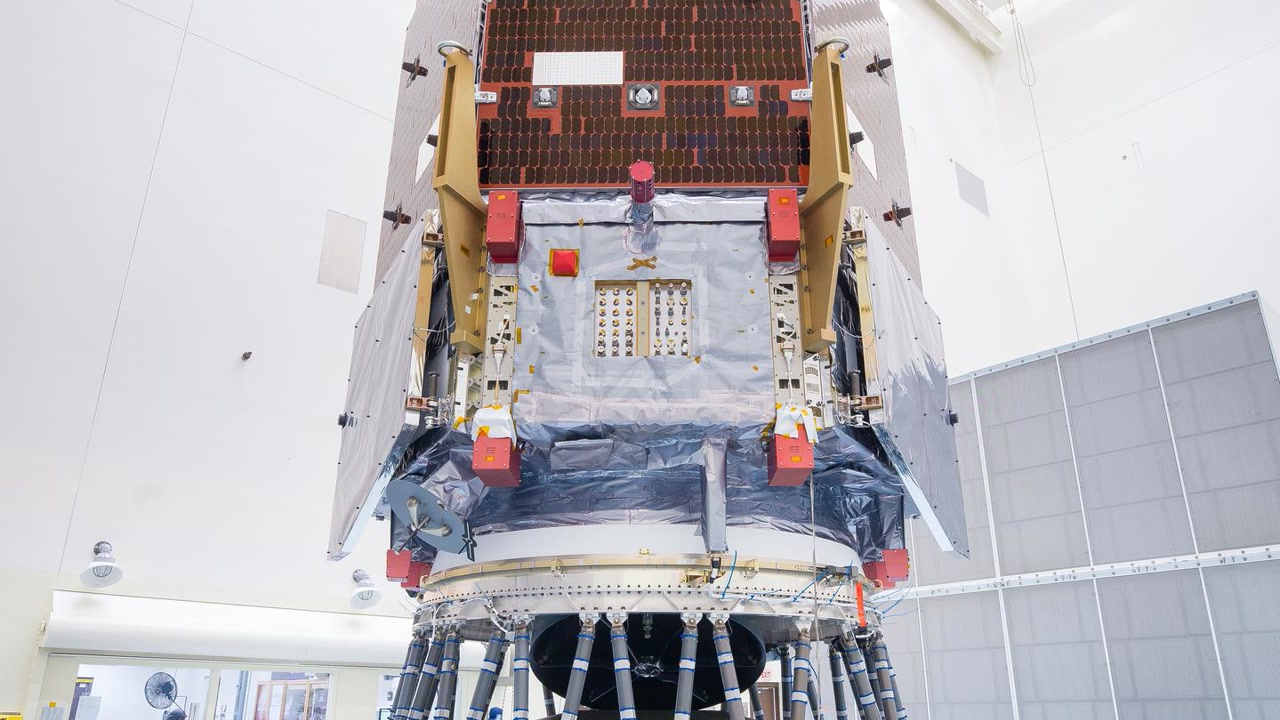
NASA has fueled the Roman Space Telescope and mounted it to SpaceX launch hardware ahead of a no-earlier-than August 30 Falcon Heavy flight.
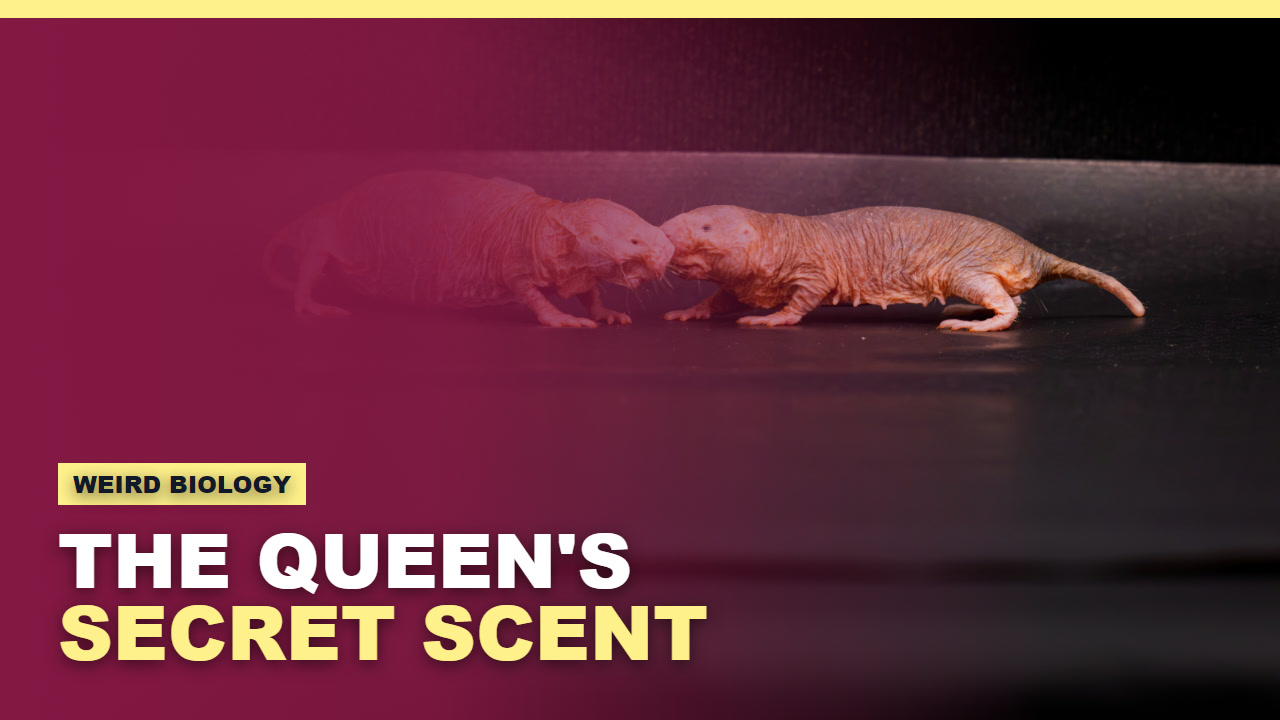
Researchers found that pregnant naked mole-rat queens release one odorless chemical that suppresses fertility and conflict throughout the colony.
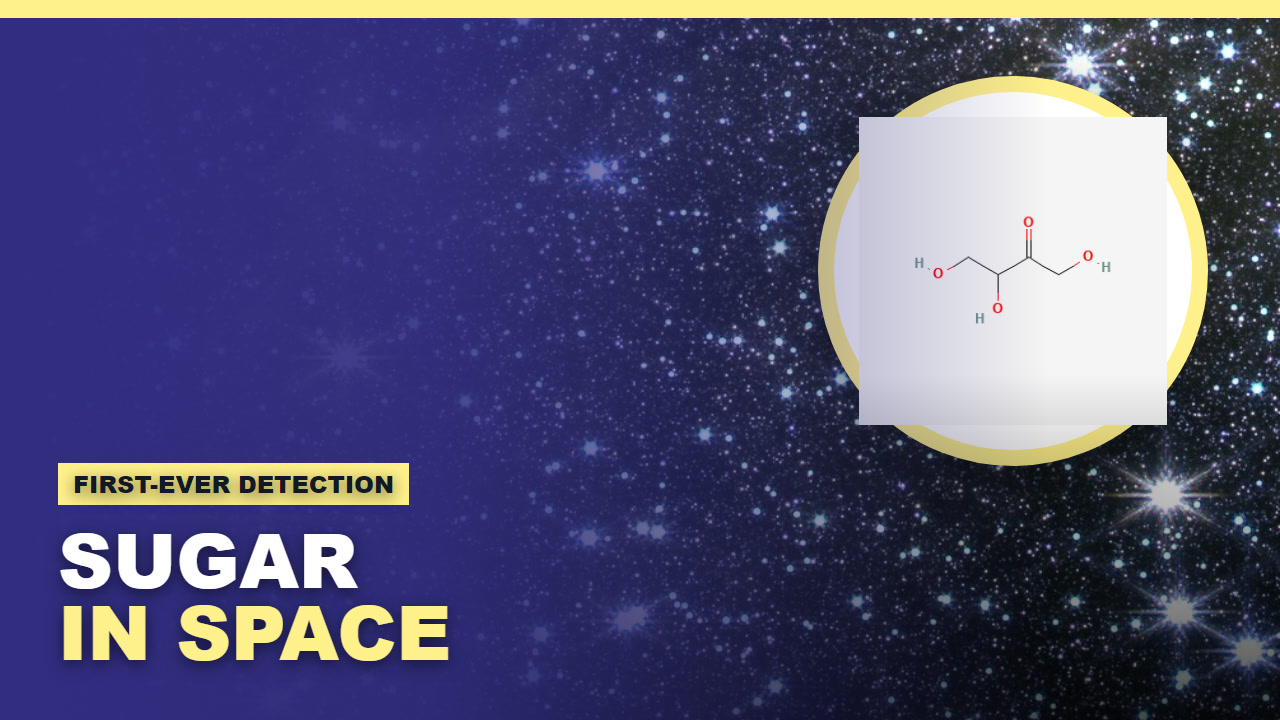
Astronomers detected erythrulose, a four-carbon sugar, in a Galactic Center molecular cloud - the first true sugar identified in interstellar space.
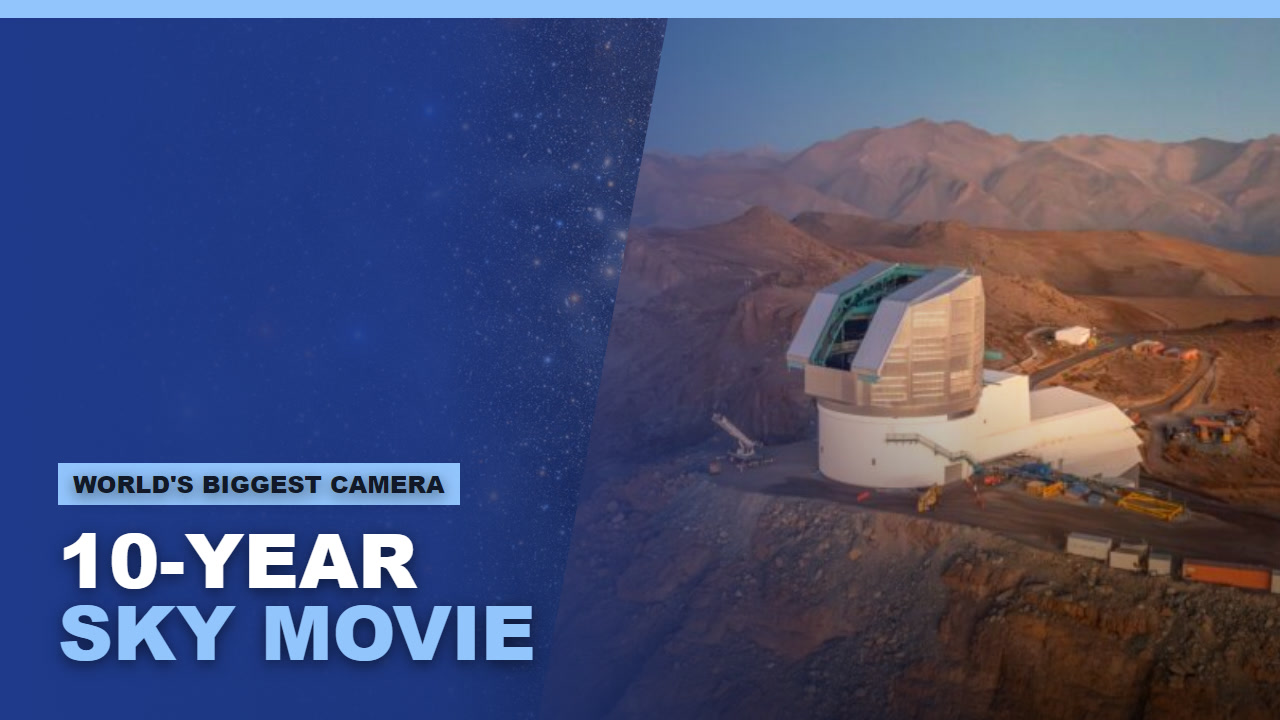
Vera C. Rubin Observatory has begun the LSST, using its 3,200-megapixel camera to photograph the southern sky every few nights for a decade.