
Ancient Seeds and Human Hair Trace Cannabis Use Back 2,800 Years
Published November 13, 2026
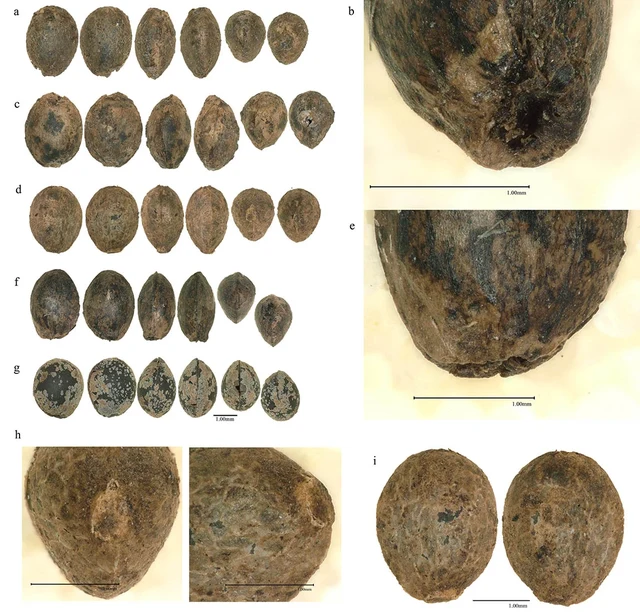
Caspari et al., CC BY, via the University of Bern. The specific image is marked CC BY; no version is specified.
Image credit
A Siberian tomb combined directly dated seeds with cannabinoid-related traces in hair. The evidence supports use, but not a known dose, potency or smoking ritual.
Seeds can establish that a plant reached a grave. Hair can help answer a different question: whether people actually used it.
Researchers studying a princely tomb in southern Siberia combined both kinds of evidence to investigate cannabis use roughly 2,800 years ago. About 1,000 seeds were recovered, while chemical analysis of preserved human hair found signals associated with cannabinoids.
The University of Bern announced the findings on November 5, alongside a Science paper. This is an examination of that dated discovery, not a claim that the research first appeared this week.
Why the Seeds Were Not Enough
The Tunnug 1 tomb lies in the Republic of Tyva and belongs to an early Scythian burial context. Six seeds were directly radiocarbon-dated. Together with other dates, they place the deposit in the early eighth century BCE.
That is strong evidence for when the seeds entered the burial, but cannabis has many uses. Seeds alone cannot distinguish food, oil, fiber, ritual symbolism or intoxicating consumption. Nor can their presence establish that the plants had been bred for high potency.
The surviving hair therefore changes the interpretation. In several samples, the researchers detected clear signals consistent with cannabinol, or CBN, which can form through oxidation of THC. They also found weak signals whose mass was consistent with THC itself.
The team interprets the combined plant remains and molecular evidence as evidence of intoxicating cannabis use. The university describes it as the oldest directly dated archaeological evidence of that use identified so far.
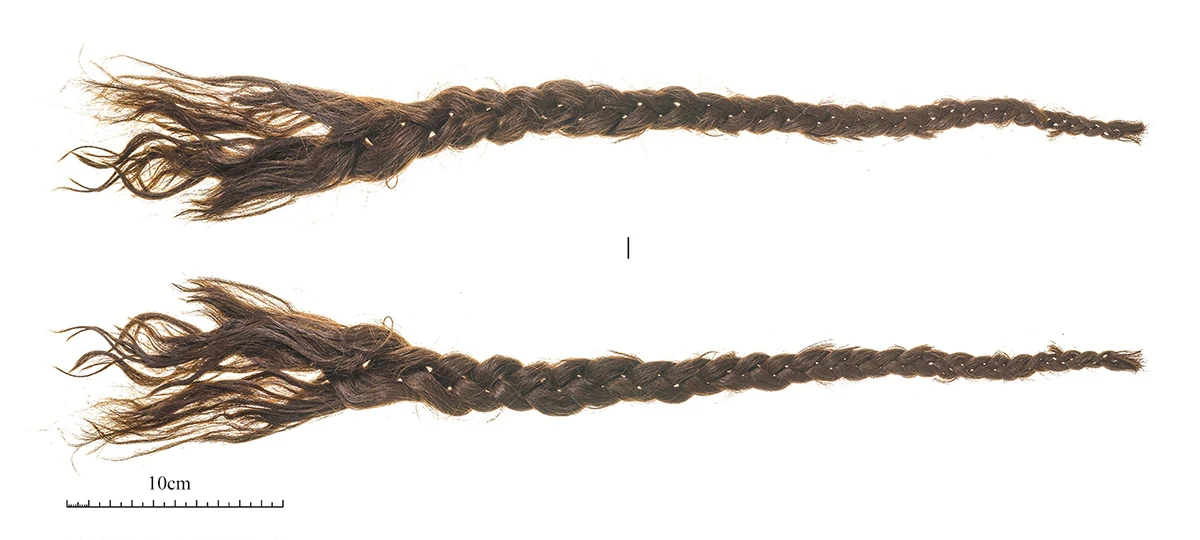
Image credit
Caspari et al., CC BY, via the University of Bern. Resized; the analysis does not establish dose or consumption route.
The Missing Details Still Matter
The chemistry cannot reconstruct the experience of an individual buried at the site. It does not reliably establish how much was consumed, the potency of the plants, or whether compounds entered the body through inhalation or ingestion.
Those limits rule out a tempting but unsupported reconstruction of an ancient smoking ceremony. Later Central Asian sites contain cannabinoid residues in vessels and on heated stones that more directly support inhalation. That later evidence should not be silently transferred to this earlier burial.
The context is nevertheless significant. The researchers associate the remains with elaborate burial practices that included horse sacrifices. Cannabis was present in that setting, and the hair provides a separate biological line of evidence. Together, they are more informative than either find alone.
A Plant History Still Being Reconstructed
The seeds probably came from wild plants, according to the team. They do not establish selective cultivation for psychoactive properties. Researchers have begun sequencing plant material, with the aim of learning more about the crop's domestication and spread.
That next step asks a question archaeology often has to approach indirectly: when did people simply encounter and use a plant, and when did they begin changing it through cultivation and selection?
The appeal of this discovery is not a modern habit projected onto an ancient population. It is the way several fragile traces can be connected: the age of the seeds, their burial context and molecular residues in hair. The combination supports a specific historical inference while leaving the dose, method and plant potency unresolved.
What other questions could preserved hair answer about ancient life? Join the comments below.
Comments
Member comments are temporarily unavailable.
Log in to join the discussion.