
Genie 4 Makes AI Worlds Talk Back, but Access Is Still Restricted
Published October 29, 2026

Independent concept illustration, not Genie 4 output or a product screenshot. It visualizes changing an environment while exploring.
Google's interactive world model adds native sound and dialogue. Its research preview suggests a new creative workflow, but consistency and access remain limits.
Changing the weather in a game usually means asking software to change a weather system. Google's new demonstration asks a generative model to change the world itself, while you are still moving through it. The rain, the sound and the characters' reactions are supposed to arrive together.
Google DeepMind announced Genie 4 on October 27, presenting a real-time world model with native audio and interactive dialogue. The interesting promise is a shorter distance between an idea and an experience you can explore. The immediate catch is access: this is a restricted research preview, not a public replacement for a game engine.
A Scene That Keeps Taking Instructions
DeepMind describes two forms of input. Keyboard controls handle movement and the camera, while text prompts can change the scene as it unfolds. Its examples include changes to weather and additions to an environment. Instead of producing a finished clip that plays the same way each time, the system generates what comes next in response to interaction.
That makes a different creative exercise possible. A designer could explore whether a setting feels interesting before building all its assets and rules. A filmmaker could experiment with framing and action inside an evolving scene. These are proposed and early-tested uses, not evidence that a production team can already depend on the model for a finished project.
The official demonstration below is the place to inspect Google's actual output. Our lead image is a separate concept illustration, not a Genie screenshot or a result from our own hands-on test.
Genie 4: A new generation of world simulation
Google DeepMind's actual demonstration. The preview is a separate concept illustration, not Genie output or a frame from this video.
The Sound Is Part of the World
Genie 4 generates audio alongside the visual simulation, including ambient sound, music and dialogue. DeepMind says characters can converse and react to events or user inputs in real time. That is more substantial than placing a prerecorded soundtrack behind a generated landscape.
It also raises the standard for coherence. A scene can look convincing for a moment while its conversation loses track of what just happened. Sound needs to agree with visible events; characters need to respond to the situation rather than merely produce plausible speech. A useful trial would therefore check an interaction over time, not choose only the prettiest frame.
Google is also bringing Gemini models into the loop. Its account describes Gemini observing incoming frames, breaking goals into steps and adapting as events change. This is Google's description of its system, not an independently established guarantee of reliable causality.
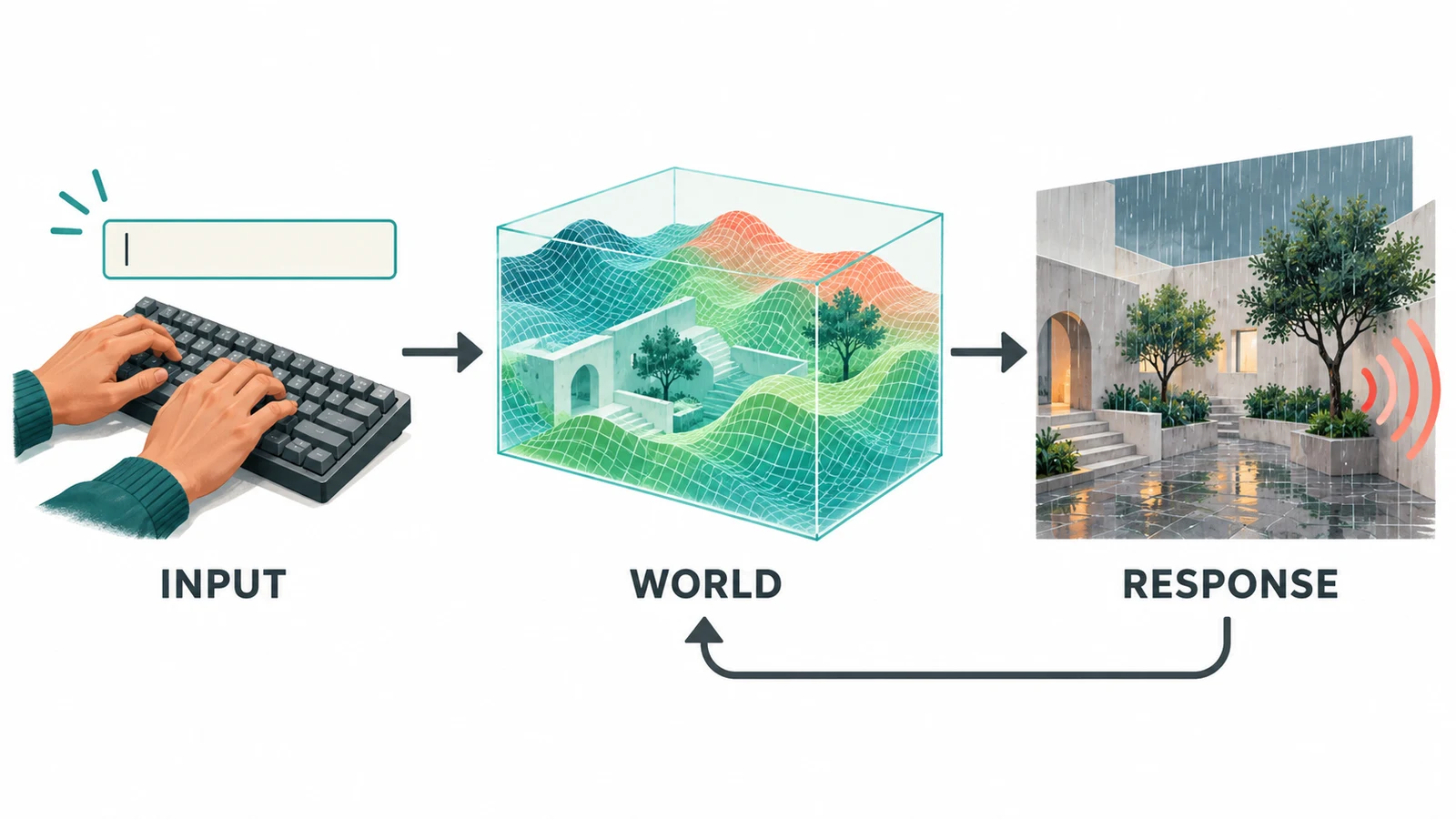
Explanatory illustration of an interaction loop, not Google's model architecture or performance data.
A Prototype Is Not an Engine Contract
A game engine gives creators explicit objects, rules and repeatable behavior. A generative world model has a different strength: rapidly producing a rich-looking situation without requiring every detail to be authored first. Those strengths need not be interchangeable.
DeepMind acknowledges that object permanence and visual details can drift, especially in longer sessions or after complex edits. Spatial accuracy, physical interactions, legible text, audio accuracy and long-term consistency remain research problems. A room that changes attractively is not necessarily a room whose layout will survive a complicated sequence of actions.
For builders, those limits suggest a concrete evaluation: change one element, return to an earlier location, and see which relationships survive. That is an editorial test proposal, not something we have run on the preview.
Who Can Try It?
The announcement says access is rolling out to trusted testers. Broader availability for Google AI Ultra subscribers through Project Genie, along with early-access partners in the Gemini API and AI Studio, is described as coming later. A waitlist is not the same thing as access today.
Genie 4 is worth watching because the creative loop is changing: describe, explore, revise, listen, repeat. Whether that becomes dependable production infrastructure will take more than a launch demonstration to establish.
What would you test first: a conversation, a persistent room layout or a physical interaction? Leave your experiment in the comments below.
Keep exploring
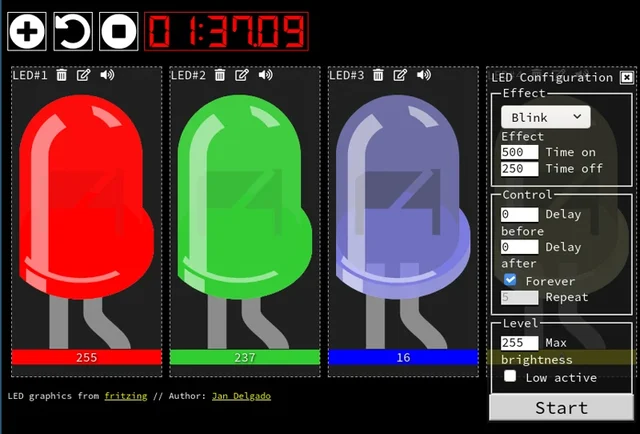
Jan Delgado's complete JLed guide and selected original example chapters, with wiring diagrams, timing plots, and the full LED demonstration animation.
Image credit
doc/jled-wasm.png
Jan Delgado; graphics created with Fritzing · MIT + Fritzing CC BY-SA 3.0Resized without cropping and converted to WebP for the project card.
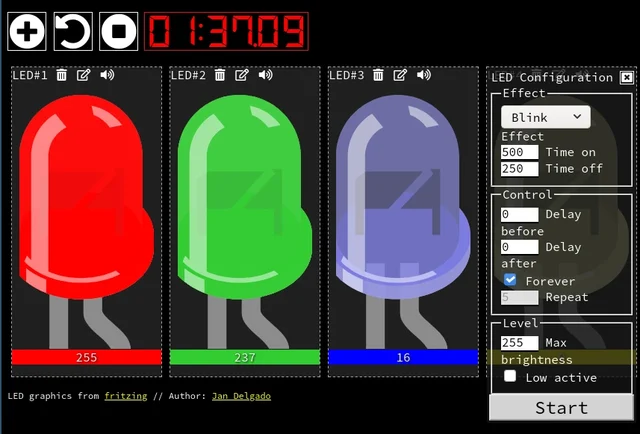
A responsive fade is a timing problem, not a processor contest. JLed and Arduino examples show how to animate light while the rest of a small interface keeps working.
Image credit
doc/jled-wasm.png
Jan Delgado; graphics created with Fritzing · MIT + Fritzing CC BY-SA 3.0Resized without cropping and converted to a WebP reading preview. Full-resolution original remains available.
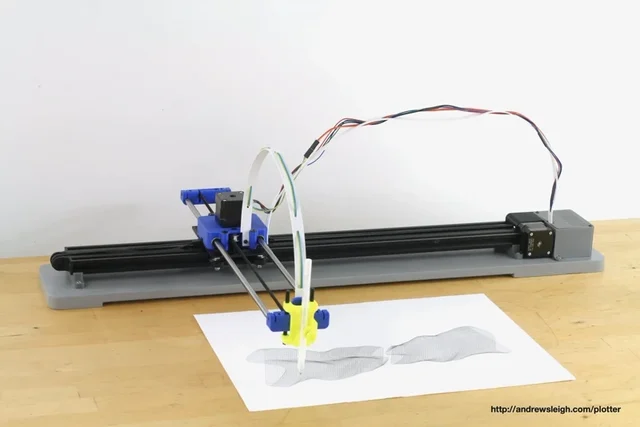
Andrew Sleigh's complete plotter writeup, with three design generations, original machine photos, parts lists and the SVG-to-G-code workflow.
Image credit
photos/v3/IMG_6608.jpg
Andrew Sleigh · MITResized without cropping and converted to WebP for the project card.
Tania Rascia's Node.js Snake project, with the complete MIT-licensed README, original gameplay animation, controls, installation options, and module example.
Comments
Member comments are temporarily unavailable.
Log in to join the discussion.