
MIT's Folded Metal Modules Turn Flat Sheets Into Large Structural Shells
Published November 3, 2026
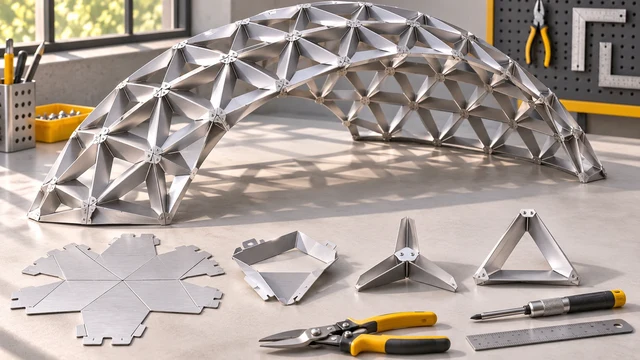
AI-generated editorial illustration of modular folded-metal construction, not Lexicon, MIT's exact geometry or an engineering model.
A new paper explains the folded-cell method behind Boston's Lexicon sculpture. The promise is lighter, easier assembly, not a certified building system.
A flat metal sheet is convenient to ship. A stiff, curved structure is useful to build. Getting from one to the other usually means a substantial amount of fabrication between those two states.
A research team at MIT's Center for Bits and Atoms is exploring a different route: cut the material into designed modules, fold those modules individually, and connect them into a larger shell. The visible demonstration is Lexicon, an aluminum installation at Boston Public Library. The deeper subject is how its geometry turns small folded parts into a rigid lattice.
The timing needs separating. The research paper first appeared on October 24; MIT's explanatory report followed on October 27. The library installation itself dates to July. This is newly published research about a method already demonstrated publicly, not an October construction opening.
Fold the Parts, Not One Enormous Sheet
Traditional origami suggests a single sheet transformed through an intricate sequence of folds. At architectural scale, that starting point becomes awkward: the sheet gets large, the fold sequence gets difficult to handle, and one change can affect the entire piece.
This system instead uses repeating modules inspired by Ron Resch's folded patterns. Individual tripod-shaped cells are combined into rigid building blocks. The paper's title, Resch tessellations as stiff, folded modular shells, describes the important shift: the finished object is an assembly of folded units, not simply a giant paper model made from metal.
The distinction changes the manufacturing problem. A machine can cut smaller flat pieces. People can fold and connect manageable components. The overall curvature then emerges from the shapes and arrangement of those components, rather than from forcing a large stock sheet into its final surface.
That does not make the geometry trivial. MIT describes an automated solver, developed by Alfonso Parra Rubio and Erik Strand, that works out manufacturable cells for a desired shape. The design must describe parts that can actually be cut, folded, joined and assembled, not just a convincing surface on a screen.
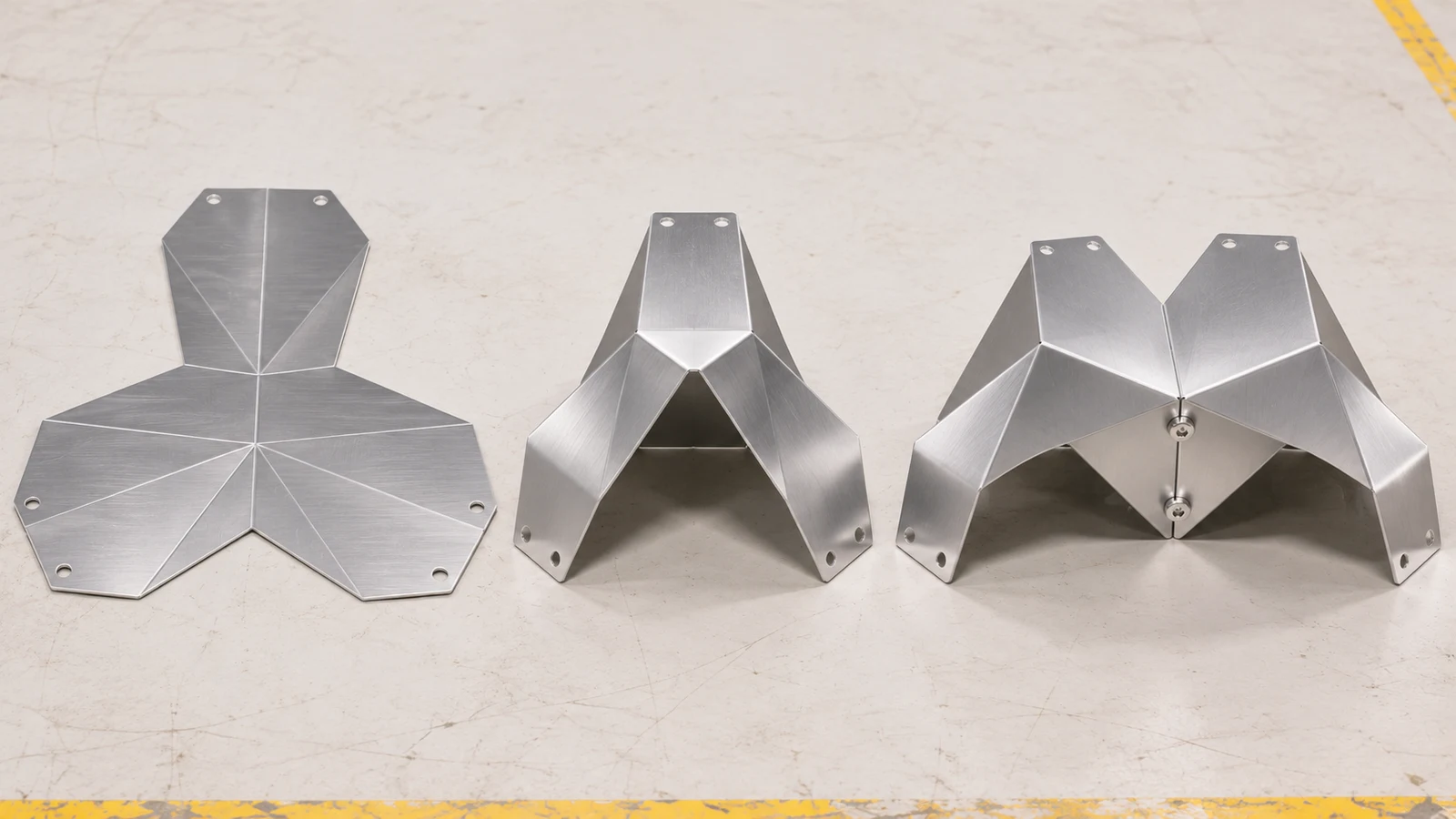
AI-generated explanatory illustration of a flat-to-folded progression; not the researchers' exact unit cell or an assembly guide.
A Sculpture Is a Useful Full-Size Question
Boston's original announcement describes Lexicon as a suspended installation made from folded aluminum structural cells. It places the work in the context of the July Fab Lab conference and public workshops. The city identifies Parra Rubio and Strand as its creators.
MIT calls the demonstration 23 feet across. That is large enough for handling, assembly and material behavior to become practical questions rather than details postponed until later. Its report says a team without professional construction experience assembled the structure in days using simple tools.
Readers can see the actual installation and construction photographs in MIT's report. The illustrations accompanying this article explain the general flat-part-to-shell idea; they are not photographs or exact construction drawings of Lexicon.
Stiffer Than What?
The research's stiffness comparisons concern particular structural-origami arrangements. They are not a statement that every folded shell is stronger than an ordinary building, nor a license to substitute this system into a roof design without engineering analysis.
Stiffness describes resistance to deformation under load. Strength concerns the load a structure can withstand before failure. They are related design concerns, but they are not interchangeable numbers. A favorable stiffness comparison cannot establish fire resistance, weather sealing, joint durability or compliance with a building code.
MIT presents emergency shelters, aerospace components and architectural elements as possible applications. Those possibilities help explain why a lightweight shell assembled from flat-shipped parts is interesting. They are not completed deployments established by this study. Larger architectural tests and a more accessible design interface remain future work in the university's account.
For makers, the useful idea is broader than a proposed building product. Geometry, fabrication and assembly can be designed together, so the manufacturing process is part of the structural solution. Lexicon makes that relationship visible: the folds are doing work, not merely decorating a surface.
What would be your most useful application for flat-shipped folded modules? Share it in the comments below.
Keep exploring
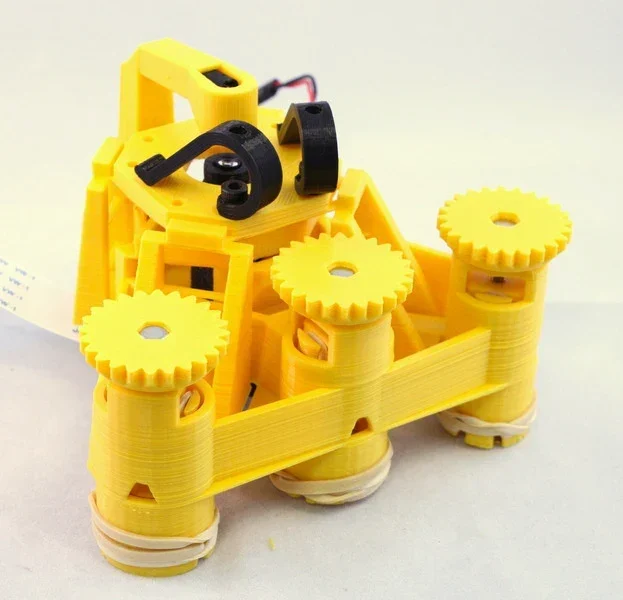
Richard Bowman and contributors' full microscope build instructions: printing, flexure actuators, two optical configurations, illumination, wiring, and motorization.
Image credit
docs/images/microscope_complete_1.jpg
Richard Bowman and OpenFlexure contributors · CERN-OHL-1.2Resized without cropping and converted to WebP for the project card.
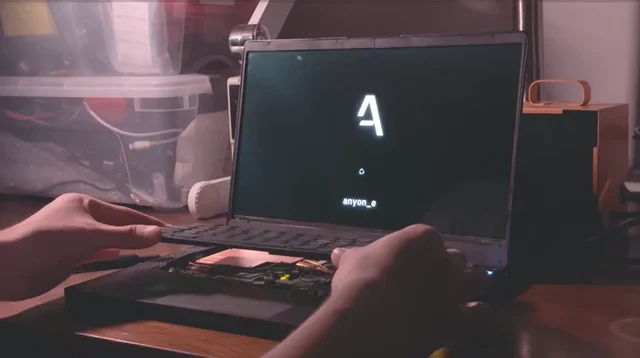
The original anyon_e creation story: a removable mechanical keyboard, custom electronics, a 4K OLED display, power-system work, Linux bring-up, and a machined chassis.
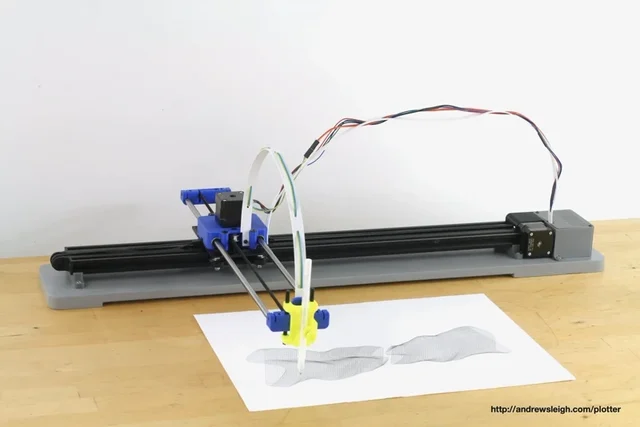
Andrew Sleigh's complete plotter writeup, with three design generations, original machine photos, parts lists and the SVG-to-G-code workflow.
Image credit
photos/v3/IMG_6608.jpg
Andrew Sleigh · MITResized without cropping and converted to WebP for the project card.
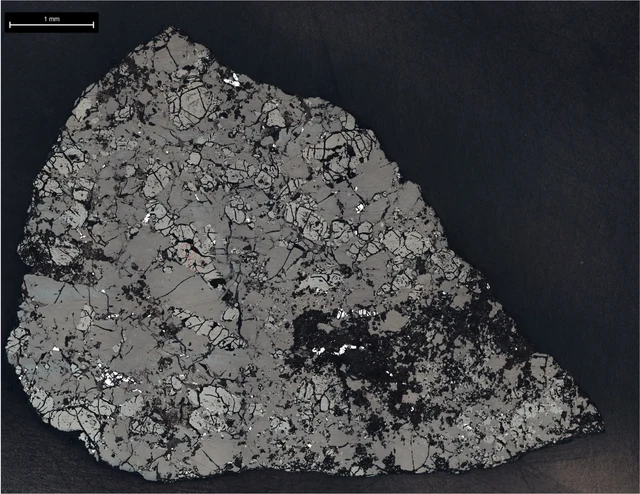
Teghaza 001 records ancient Martian crust and water alteration around 4.1 billion years ago. Its dates, mineral clues and 13 possible source regions tell different stories.
Image credit
Reflected-light slice of Martian meteorite Teghaza 001
NASA/JPL-Caltech · NASA factual editorial useResized and encoded as WebP; no semantic alteration.
Comments
Member comments are temporarily unavailable.
Log in to join the discussion.