Soft Robotics Revolution: Unlocking New Possibilities with Modular Mechanisms
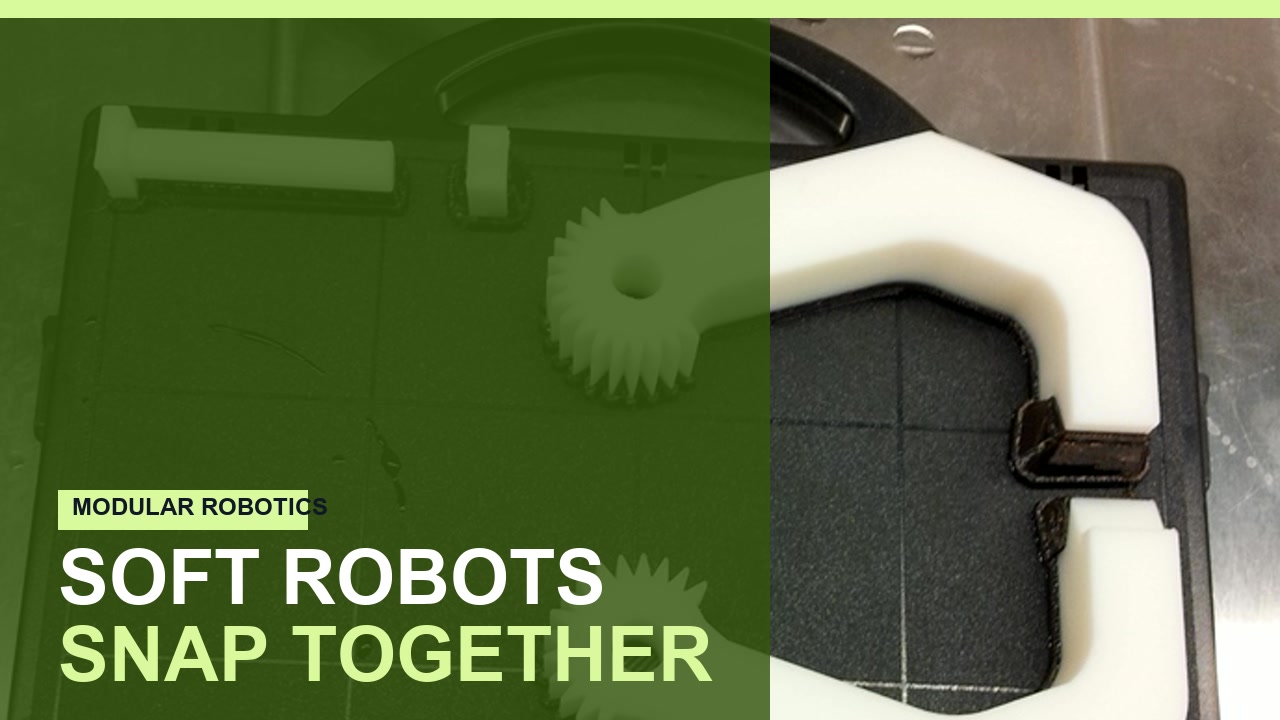
Recent breakthroughs in continuum robots and 3D printing materials are transforming industries from manufacturing to healthcare, and beyond.
Imagine a world where robots can adapt to complex tasks, navigate through tight spaces, and even change their shape on demand. Sounds like science fiction? Think again. Recent advancements in modular soft mechanisms have paved the way for the development of continuum robots that can achieve unprecedented morphologies and new 3D printing materials with unique properties.
The Rise of Continuum Robots
Continuum robots are a type of robot that combines rigid and flexible elements to create a continuous, fluid-like structure. This design allows them to adapt to changing environments and perform complex tasks with ease. In a recent study published in Nature's npj Robotics, researchers demonstrated the capabilities of continuum robots by developing a robotic arm that can change its shape in real-time.
The implications of this breakthrough are significant. Continuum robots can be used in industries such as manufacturing, where they can inspect and repair complex machinery with precision and dexterity. They can also be deployed in healthcare to assist surgeons during delicate procedures or aid patients with mobility impairments. And in space exploration, continuum robots could potentially navigate through tight spaces and conduct repairs on spacecraft.
3D Printing Materials: A New Frontier
In addition to the advancements in continuum robots, researchers have made significant progress in developing new 3D printing materials that can mimic the properties of soft tissues. These materials, known as 'soft actuators,' can be used to create artificial muscles and organs that can mimic the behavior of their natural counterparts.
The potential applications of these materials are vast. For example, they could be used to develop prosthetic limbs that can move and feel like real arms and legs. They could also be used to create implantable devices that can monitor vital signs or deliver medication.
Future Directions
As researchers continue to push the boundaries of modular soft mechanisms, we can expect to see even more innovative applications in the future. One area of focus will likely be the development of more sophisticated control systems for continuum robots, allowing them to perform tasks with even greater precision and dexterity.
Another area of research will be the creation of new 3D printing materials that can mimic the properties of soft tissues, such as skin or organs. These materials could have a significant impact on fields such as medicine and biotechnology.
In conclusion, the advancements in modular soft mechanisms represent a major breakthrough in robotics and materials science. As we continue to explore the potential applications of these technologies, we may uncover new possibilities for industries and individuals alike.
Comments
Member comments are temporarily unavailable.
Log in to join the discussion.