Soft Electronics and AI Integration Revolutionize Robot Learning Interfaces
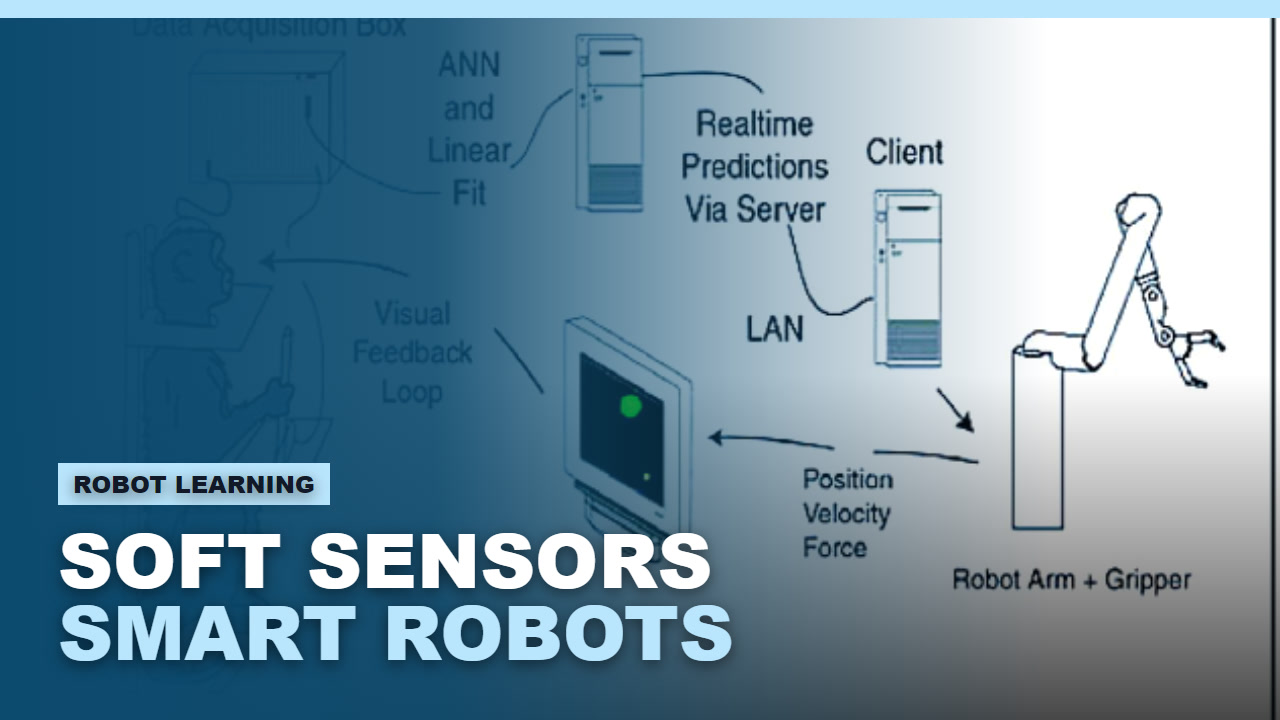
Photo credit
Advances in soft electronics and AI integration enable robots to learn and adapt, transforming industries like manufacturing, healthcare, and space exploration.
Imagine being able to control a robot with the precision of a surgeon, but without the need for extensive training. Recent breakthroughs in soft electronics and artificial intelligence (AI) have made this possible through the development of robot learning interfaces. These innovative technologies are poised to revolutionize industries that require complex tasks, such as manufacturing, healthcare, and space exploration.
A New Era of Robot Learning Interfaces
The key to unlocking this potential lies in the integration of soft electronics and AI. Soft electronics refer to flexible, wearable devices that can be used to monitor vital signs or provide tactile feedback. When combined with AI algorithms, these devices enable robots to learn from experience and adapt to new situations.
One notable example is an AR-based interface for teleoperating a hybrid soft-rigid robot via a virtual twin. This technology allows users to control the robot's movements in real-time, while also providing a virtual representation of the robot's actions. The virtual twin enables users to visualize the robot's progress and make adjustments as needed.
Applications Across Industries
The implications of these advancements are vast and varied. In manufacturing, robots can be programmed to learn from experience and adapt to new production lines or workflows. This reduces downtime and increases efficiency, leading to significant cost savings.
In healthcare, robots can be trained to assist surgeons during complex procedures, such as brain surgery or organ transplants. The precision and dexterity of the robot enable it to perform tasks that would be difficult or impossible for a human.
Even in space exploration, robots equipped with soft electronics and AI can navigate through tight spaces and adapt to changing environments. This is particularly important for future missions to Mars and beyond.
Future Directions
As research continues to advance the field of soft electronics and AI integration, we can expect even more exciting developments. Some potential areas of focus include:
-
Developing more sophisticated AI algorithms that enable robots to learn from experience and adapt to new situations
-
Creating softer, more flexible materials for robot components, such as skin-like sensors or actuators
-
Integrating soft electronics with other emerging technologies, such as blockchain or the Internet of Things (IoT)
The future of robot learning interfaces is bright indeed. As we continue to push the boundaries of what is possible with soft electronics and AI integration, we can expect significant breakthroughs in industries that require complex tasks.
In conclusion, the convergence of soft electronics and AI has given rise to a new era of robot learning interfaces. These technologies hold immense potential for transforming industries and improving our daily lives. As researchers and innovators continue to advance this field, we can expect even more exciting developments on the horizon.
Comments
Member comments are temporarily unavailable.
Log in to join the discussion.