An e-paper noticeboard that admits when it is out of date
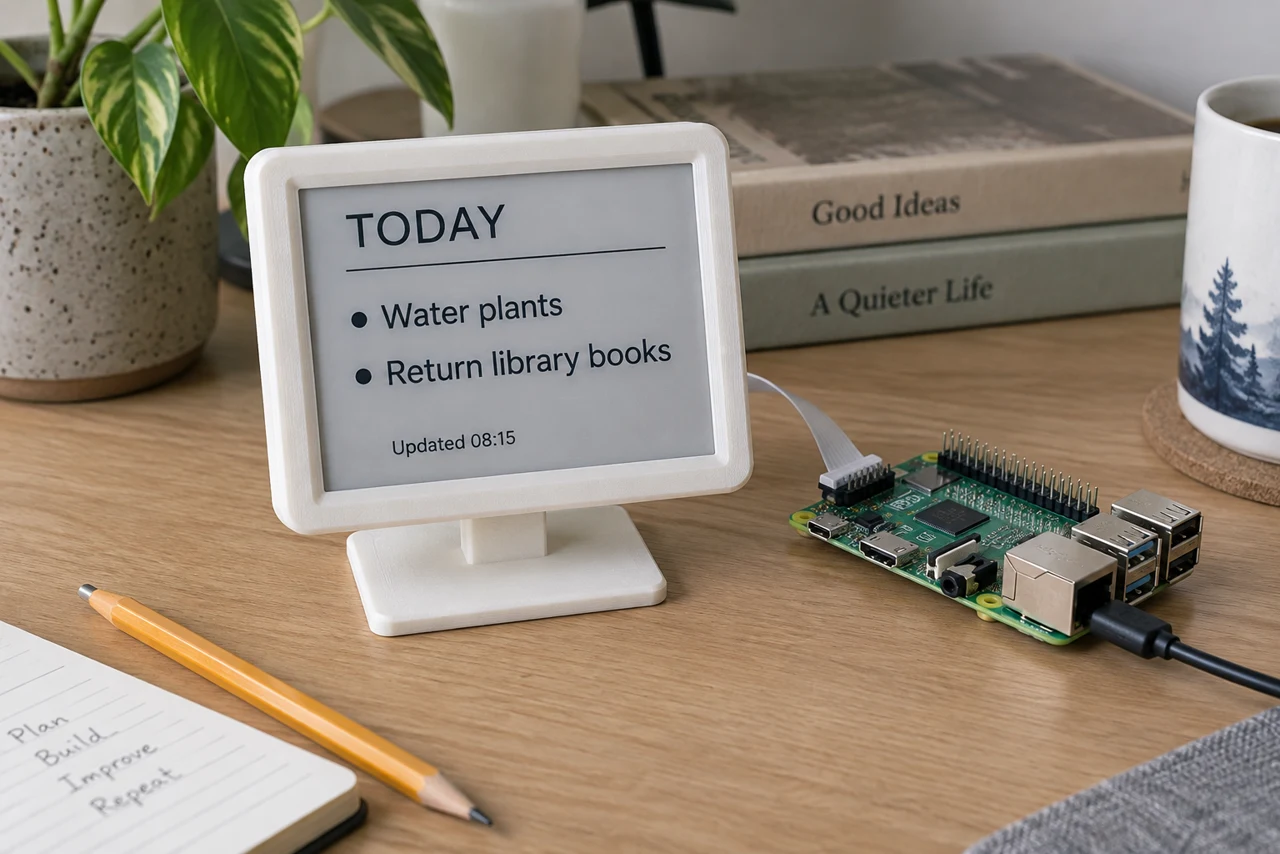
A Pi Zero noticeboard concept with a local message file, a visible update time, and a useful offline state.
The annoying thing about an e-paper noticeboard is that it can look perfectly healthy after it has stopped updating. The image remains. Yesterday's errands get excellent uptime.
So the first feature here is a timestamp.
A small, local-first display
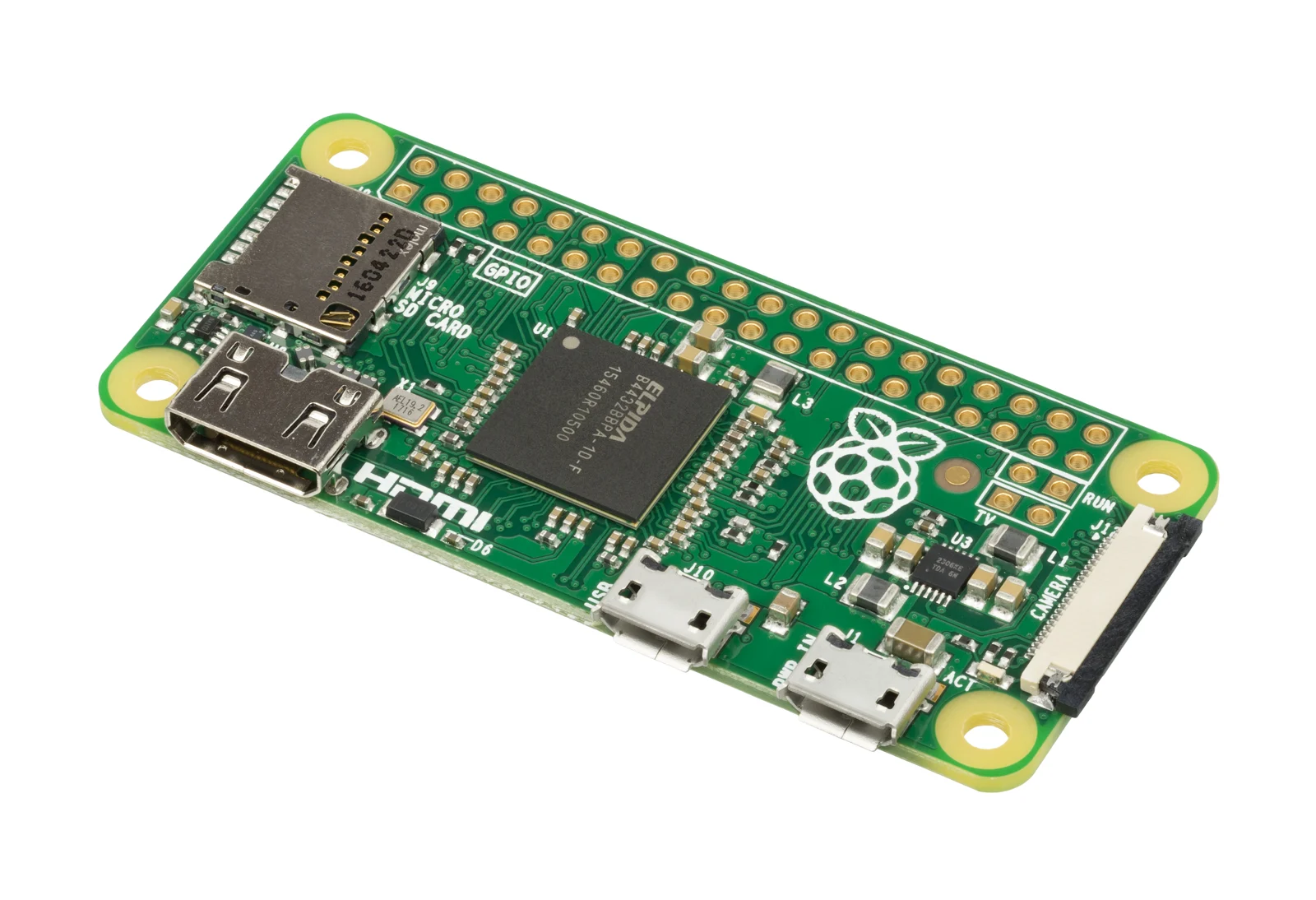
Choose a supported small computer and an e-paper module with a maintained driver. The controller photograph below shows one possible board family, not a guarantee that every display plugs into it. Check the module's interface, supply requirements and refresh instructions before buying parts.
Keep a simple local text file as the first data source. Render a short list and the time of the last successful update. No calendar integration until that works reliably.
A refresh job should produce a useful log: input read, image rendered, display update completed. Save the previous known-good content so a failed download does not replace the noticeboard with half a message.
Break it deliberately
Disconnect the network. Supply an empty file. Restart the controller halfway through a refresh. The display should remain understandable in each case, even when the underlying service is not.
A visible timestamp does not magically make stale information safe, so this is for reminders, not medical instructions, emergency notices or other critical information.
The enclosure can be plain. Leave access to power and the storage card. The second time a cable needs reseating, that small mercy will matter more than a perfectly flush back panel.
Materials
- Raspberry Pi Zero 2 W and suitable power supply
- Manufacturer-supported e-paper module
- microSD card
- Ventilated enclosure after bench testing
Build Steps
- 1
Render one local message
Use the module's documented driver and a fixed layout.
- 2
Preserve the last good update
Write new data atomically and retain a readable timestamp.
- 3
Exercise offline recovery
Verify network loss, restart, and interrupted updates.