Geothermal Has Plenty of Heat. Getting to It Is the Hard Part
Published September 10, 2026
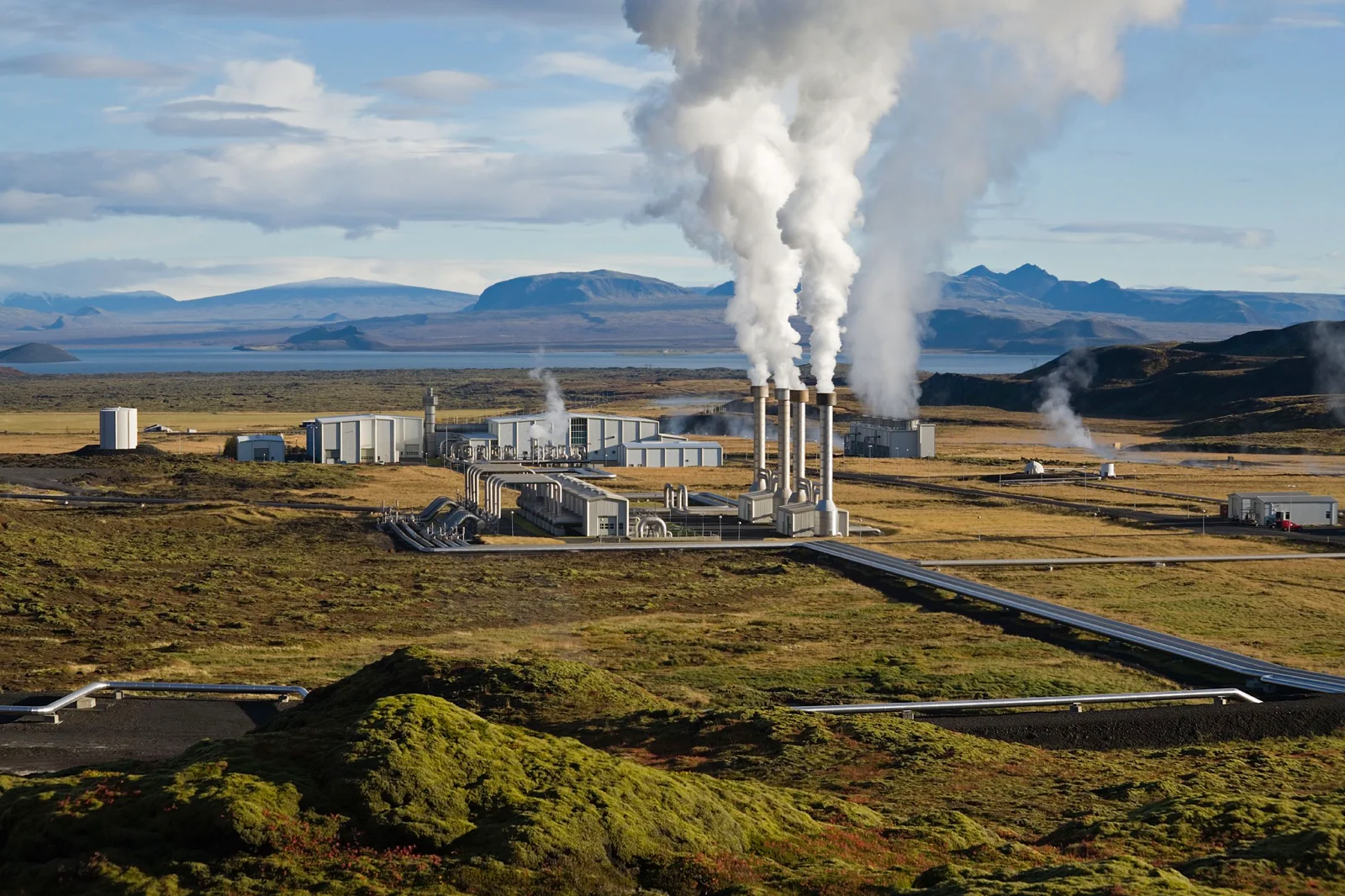
Nesjavellir in Iceland illustrates geothermal infrastructure; the announced U.S. center is a research hub.
DOE's new Geothermal Center of Excellence targets the engineering between underground heat and useful power, from finding resources to working with industry.
The Earth contains a great deal of heat. A power project needs something more specific: a way to reach a suitable resource, move heat through a working system, and keep the whole operation useful over time. The gap between those statements is where geothermal engineering gets interesting.
The Department of Energy's September 3 announcement puts that gap in the spotlight. A new Geothermal Center of Excellence is intended to connect national-laboratory capabilities with industry and help advance large-scale geothermal development.
A Research Hub, Not a New Gigawatt on the Grid
According to DOE's announcement, the National Laboratory of the Rockies leads the consortium with support from the National Energy Technology Laboratory. The center will provide an industry entry point to laboratory expertise, with an advisory board helping identify research priorities.
The ambition is gigawatt-scale development. That is a target for the work, not a report that the center has commissioned that much generating capacity. Establishing a coordination hub and building an operating power project are different milestones.
The image above shows an existing geothermal station in Iceland. It is a reference image of the technology, not a photograph of the new U.S. center.
Hot Rock Is Only One Ingredient
DOE's geothermal basics and enhanced geothermal systems overview explain the distinction between naturally favorable resources and engineered reservoirs. Useful combinations of heat, fluid, and pathways through rock are not available in equal measure everywhere.
Enhanced systems aim to make otherwise difficult resources usable by engineering the reservoir. That shifts attention toward drilling, characterization, and how a reservoir behaves, not simply toward a map with a promising temperature on it.
For readers following energy announcements, this is a helpful filter. Ask which bottleneck a project addresses. A better way to locate a resource, a better way to reach it, and a better way to extract heat are related advances, but they are not interchangeable.
A Very Large Version of a Familiar Build Problem
Our maker connection is the difference between a component that works and a system that works. A prototype can demonstrate an effect beautifully while leaving access, servicing, measurement, and repeatability unresolved.
Those supporting problems are sometimes treated as cleanup work. In a serious design, they can determine whether the central idea is usable at all. The clever mechanism deserves attention, but so does the unexciting question of how you reach the part that will eventually need replacing.
The next useful evidence from this center will be specific outcomes: a published test, a tool that another team can use, or a clearly explained improvement in a development process. An institution's ambition is a starting point. The engineering record is what makes it persuasive.
Which geothermal bottleneck would you like us to examine next? Add your question in the comments below.
Comments
Member comments are temporarily unavailable.
Log in to join the discussion.