NameTag Shows How Close Meta Came to Face Recognition in Smart Glasses
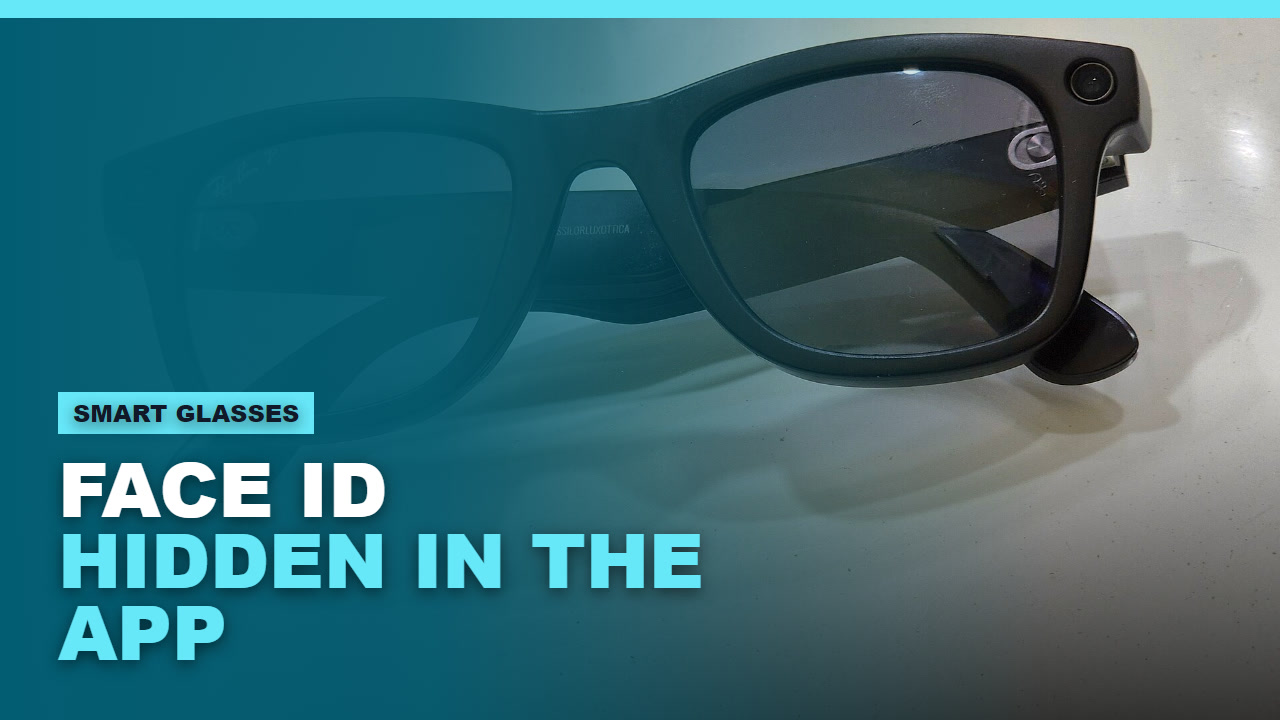
WIRED found unreleased face-recognition code inside Meta's smart-glasses app, then reported that Meta removed the components after public scrutiny.
The most important smart-glasses privacy story may not be the feature Meta launched. It may be the feature Meta almost had ready to launch, then stripped out after reporters found it.
In June 2026, WIRED reported that Meta had embedded unreleased face-recognition technology inside the Meta AI companion app used with its smart glasses. The internal name was "NameTag." The feature was not publicly enabled, but WIRED's analysis found that major pieces of the system were already sitting inside software distributed to millions of phones.
That is the part that makes the story more than a rumor about future plans. It was not a sketch on a product roadmap. It was code.
What NameTag was designed to do
According to WIRED, NameTag was built to identify people captured by the cameras on Meta's smart glasses and alert the wearer when someone was recognized. The system could turn a face into a biometric faceprint and compare it with a database stored on the user's phone. WIRED also reported that the database was configured to receive updates from Meta.
That architecture matters. A company can describe a face-recognition feature as local, opt-in, or privacy-preserving, but the social effect still begins in public space. The person being recognized may not have chosen to participate. They may simply be near someone wearing the glasses.
Smart glasses make facial recognition feel different from the same feature on a phone. A phone is visible when it is raised. Glasses are always pointed at the room. If face recognition becomes normal inside eyewear, every hallway, conference booth, coffee shop, school pickup line, and protest can become a lookup surface.
Why hidden code raised alarms
WIRED reported that core components of NameTag appeared in the app as early as January 2026, even while Meta was publicly framing facial recognition as something it was still thinking through. The Meta AI app is required for key smart-glasses functions and had reportedly been downloaded more than 50 million times.
Meta said the feature was exploratory and that no final decision had been made. But critics focused on the gap between "exploratory" in public and "already present in the app" in practice. For privacy advocates, the issue was not only whether NameTag had been switched on. It was that a biometric identification system for face-worn cameras had advanced far enough to be shipped in dormant form.
The Electronic Frontier Foundation said Meta removed the unactivated face-recognition code from the latest app update after WIRED's reporting and public scrutiny. WIRED also published a follow-up saying the face-recognition components it had identified were gone from the newer version of the Meta AI app.
The red line for everyday eyewear
Face recognition inside smart glasses crosses a line that ordinary software features do not. It does not only affect the user. It affects everyone the user looks at.
That is why civil-liberties groups treat this as a public-space issue rather than a gadget preference. A person can avoid buying smart glasses. They cannot easily avoid being seen by someone else who bought them. If those glasses can identify faces in real time, the wearer gains a kind of searchable memory of the people around them.
Meta's reported design may have avoided a single central face database, but local processing is not a complete answer. Local systems can still normalize identification without consent. They can still store unknown faces for later matching. They can still create incentives for people to build private recognition lists.
What to watch next
The removal of NameTag code does not end the story. It proves the feature was technically close enough to matter and politically sensitive enough to retreat from, at least for now.
The next frontier is not whether one company can make the software work. The technology already works well enough to tempt product teams. The real question is whether laws, app-store policies, platform rules, and consumer pressure will draw boundaries before face recognition becomes another invisible background feature.
NameTag is a useful warning because it appeared before the public had a chance to debate it. Smart glasses are moving toward everyday use. If biometric identification comes with them, the decision should not arrive as a quiet app update.
Comments
Member comments are temporarily unavailable.
Log in to join the discussion.