AI Wants the Lab Controls. The Hard Part Is Knowing When to Stop
Published September 10, 2026
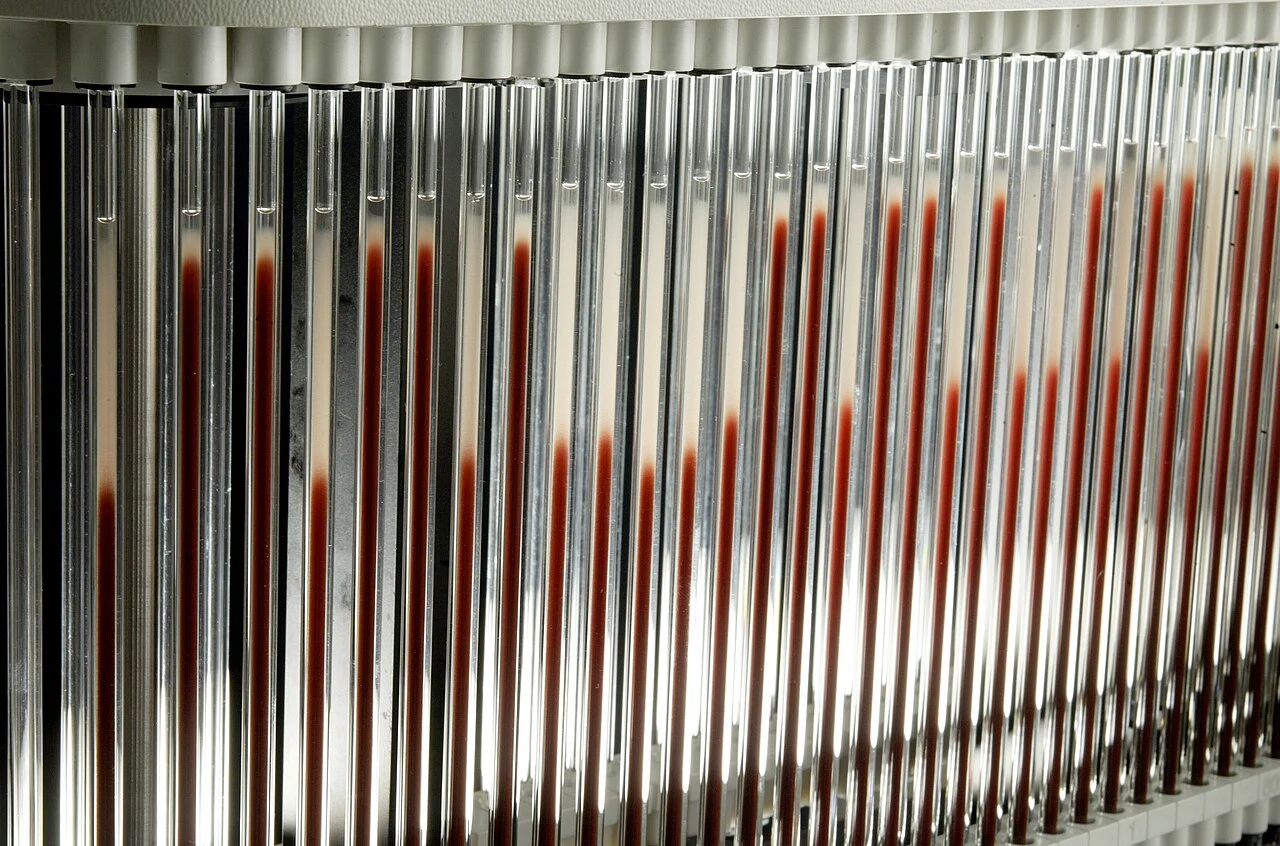
An automated analyzer's pipette array, shown for laboratory context rather than as an MHS installation.
Anthropic's Model Hardware Standard preview connects AI agents to lab equipment. An early liquid-handling example shows why supervision still matters.
A lab robot does not care how fluent its instructions sound. It cares about positions, volumes, timing, and limits. That gap between language and machinery is what makes Anthropic's new Model Hardware Standard preview interesting, and what makes its mistakes worth reading closely.
The Plumbing Behind the Promise
On August 27, Anthropic announced a research preview of MHS, developed with HHMI's Janelia Research Campus. It proposes discoverable drivers with common commands and descriptions of a device's capabilities and constraints. Agents can reach the equipment through MCP, command-line tools, or APIs.
The company describes it as model-agnostic and compatible with programmable devices. At announcement, this was a partner preview ahead of open sourcing, not a finished universal standard already adopted across laboratories.
One reported Genentech demonstration coordinated a liquid handler, robot arm, and plate reader. When bubbles interfered with pipetting, repeated attempts did not solve the problem; human guidance helped the system adjust. These are participants' reported results, not independent proof that an autonomous lab can safely handle every exception.
The photograph above shows reference pipetting equipment, not that demonstration.
A Retry Can Make a Physical Problem Worse
Software has trained us to treat retrying as cheap. Refresh the page. Repeat the request. Run the job again. Physical work changes the state of the world, which can make the same habit a bad default.
If a command moves something, dispenses something, or heats something, repeating it is not equivalent to asking for a missing response again. An uncertain acknowledgment is especially awkward: did the operation fail, or did it succeed without the controller hearing back?
Our engineering takeaway is to define those cases before giving an agent control. Which commands are safe to repeat? Which require a fresh measurement? Which must stop until a person checks the machine? Those questions belong in the integration design, not in a reassuring paragraph after the demo.
The Useful Version Is Less Magical
A good hardware interface can make limitations more explicit. It can expose units, allowable ranges, current state, and whether a device is ready. That is valuable even without an AI model in the loop.
But a description of a safety limit is not the same thing as enforcement. For a serious prototype, we would want limits checked in the control layer, independently of the model's prose. We would also want a clear log showing the command, the observed result, and the decision to continue or stop.
MHS is worth watching because awkward integrations consume real experimental time. The most convincing next evidence will not be a smooth demonstration alone. It will be a documented recovery from a messy one, with boundaries that hold when the reasoning does not.
What operation would you insist an agent ask about before it touched your equipment? Put it in the comments below.
Comments
Member comments are temporarily unavailable.
Log in to join the discussion.