Article
AI Wants the Lab Controls. The Hard Part Is Knowing When to Stop
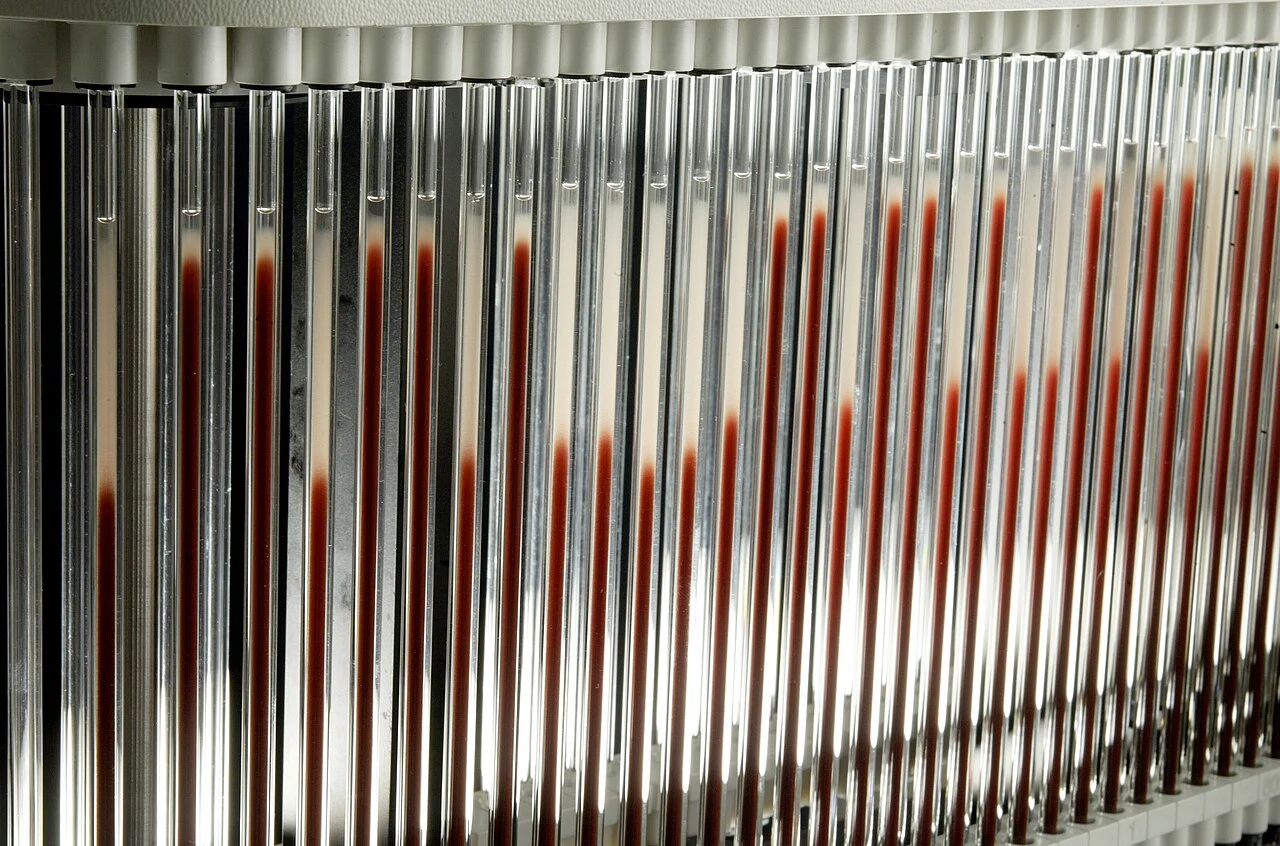
Anthropic's Model Hardware Standard preview connects AI agents to lab equipment. An early liquid-handling example shows why supervision still matters.
Aug 27, 2026
An AI system is not just its model. It also includes the cameras, data flows, human reviewers, interfaces, and institutions around it. This collection follows those connections: what a device records, who can inspect it, what is deployed, and what remains an experiment or a proposal.
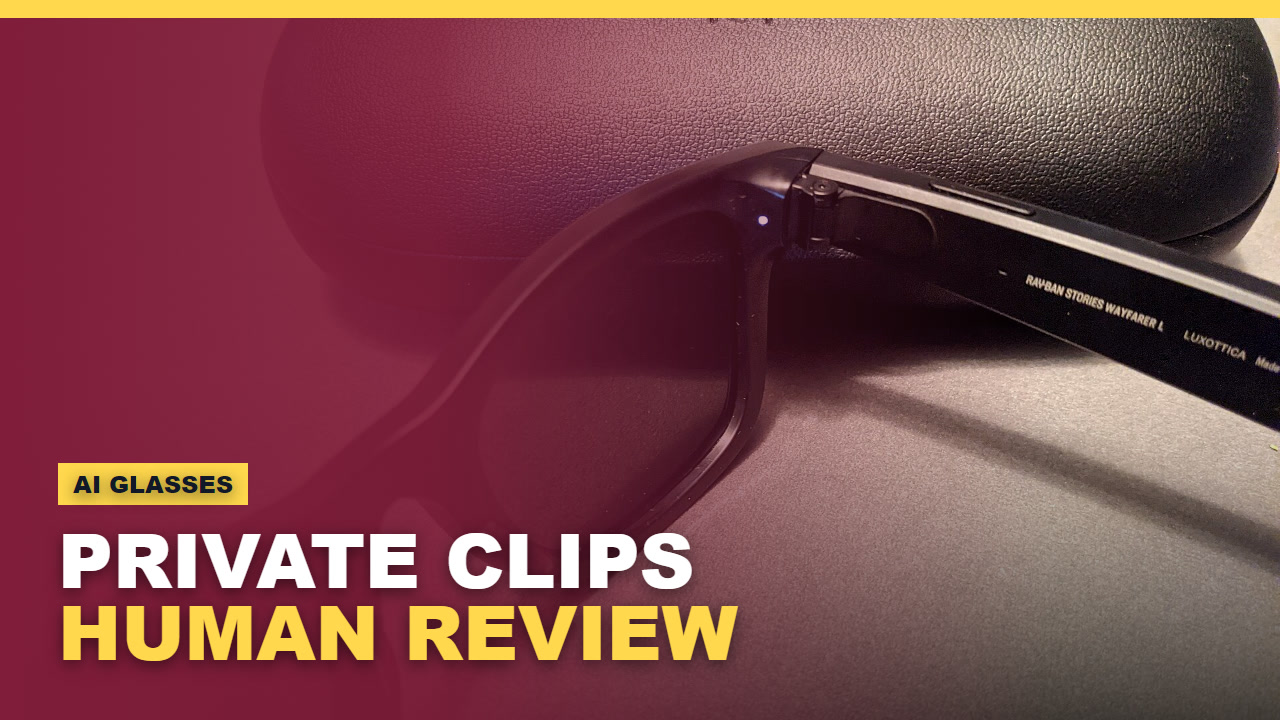
Reporting on captured footage and human review.

What unreleased app code does and does not establish.
Where agent software meets physical laboratory controls.
The NameTag story concerns unreleased code found in a smart-glasses app. The Mobile Fortify story concerns a listed deployed use case. Those are different kinds of evidence. The smart-glasses review story centers on reported access to captured footage. Each article keeps the underlying source and the scope of the claim visible.
The Model Hardware Standard story considers the boundary between a software agent and physical lab controls. Robot-planning and teleoperation coverage looks at other versions of that boundary. Read the task, failure conditions, and human oversight together. A plausible interface does not demonstrate that a system is safe for unattended physical work.
Anthropic's Model Hardware Standard preview connects AI agents to lab equipment. An early liquid-handling example shows why supervision still matters.

The EU's Article 50 rules now require notices for chatbots, deepfakes, synthetic media, and some biometric systems, with important exceptions.
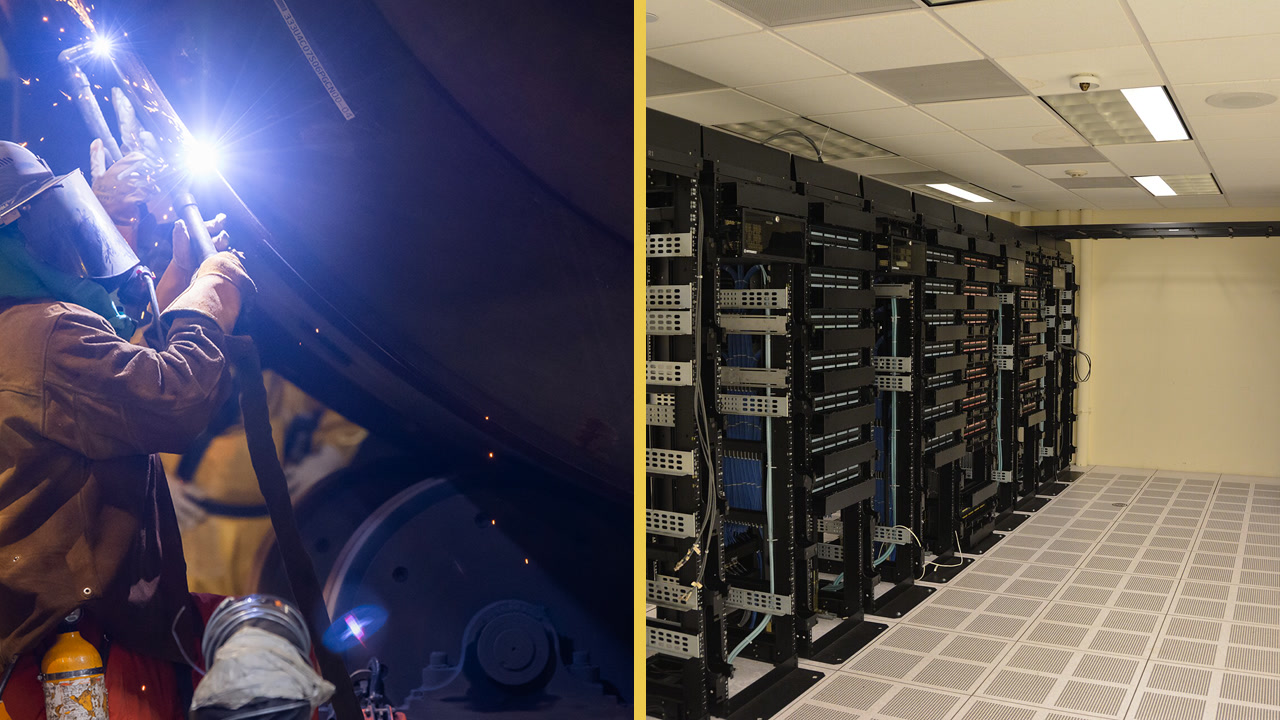
A proposed Kentucky AI campus pairs 1.8 gigawatts of computing with new gas generation and battery storage at a former uranium-enrichment site.
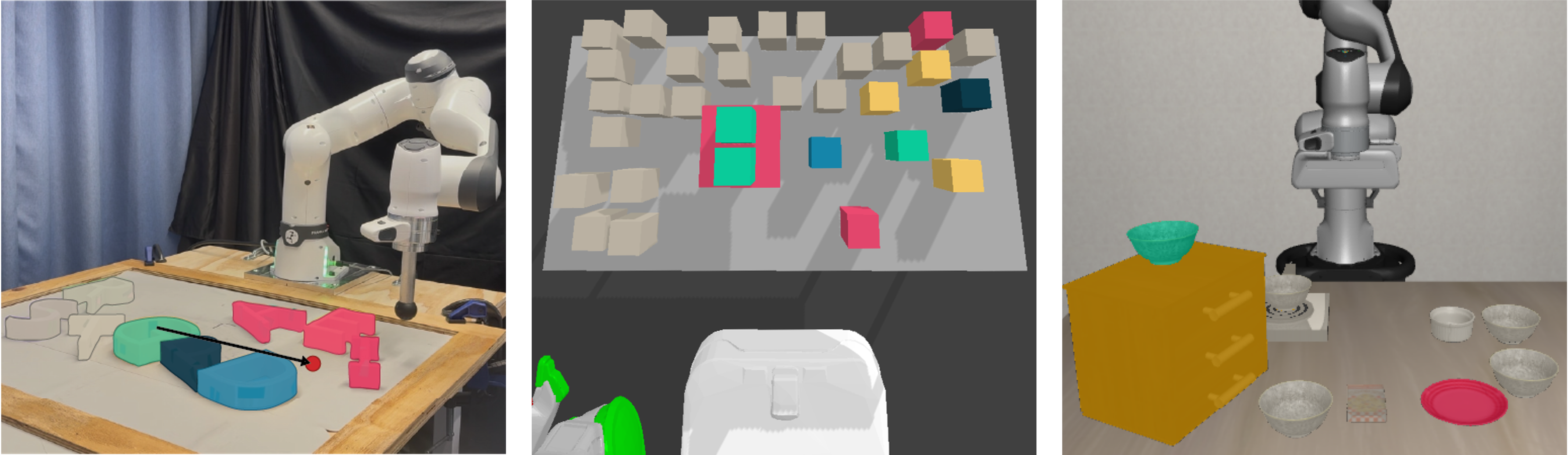
LENS uses a vision-language model to prune or merge scene objects before robot planning, cutting runtimes and recovering success in cluttered tests.
WIRED found unreleased face-recognition code inside Meta's smart-glasses app, then reported that Meta removed the components after public scrutiny.

Researchers advance agentic AI to improve autonomy, coordination, and adaptability in robotic teams, boosting efficiency and productivity across industries.

Discover how structured, AI-assisted content creation workflows are revolutionizing the way we produce and analyze content.
Swedish reporting found that contractors reviewing data tied to Meta AI smart glasses saw bathrooms, nudity, intimate moments, and bank-card details.
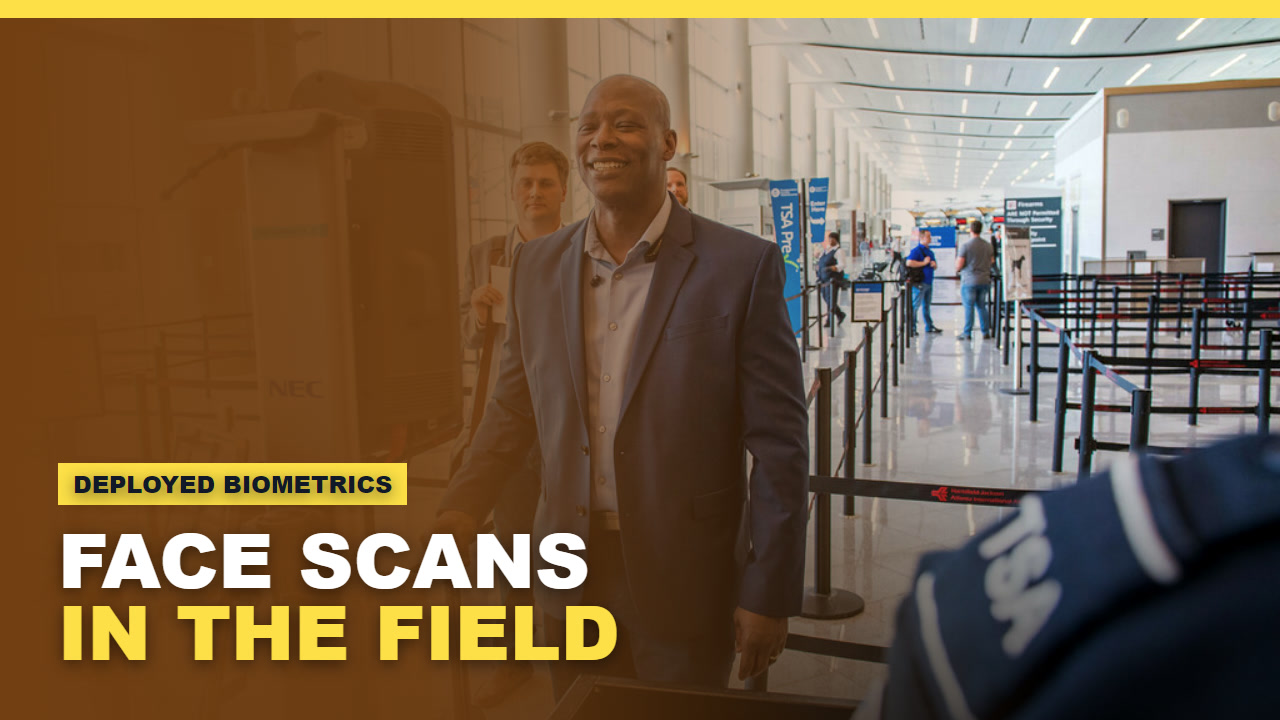
DHS lists Mobile Fortify as a deployed high-impact AI use case for ICE, capable of capturing faces, fingerprints, and identity documents in the field.