Science That Matters
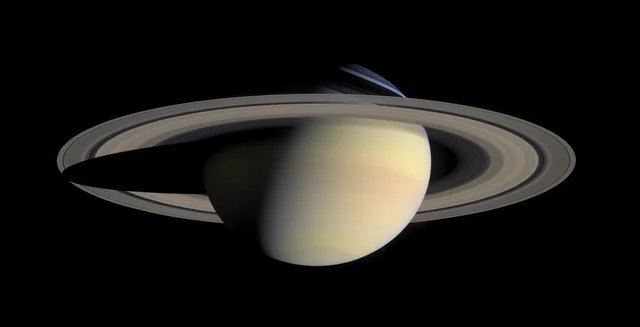
Saturn Has a New Ten-Sided Mystery at Its South Pole
Hubble has tracked a growing ten-sided wave around Saturn's south pole. The surprise is not just its shape, but watching a planetary pattern emerge.
3 min read
Science That Matters
Hubble has tracked a growing ten-sided wave around Saturn's south pole. The surprise is not just its shape, but watching a planetary pattern emerge.
Science That Matters
NASA's Roman telescope launched on August 30. Its wide-field camera turns Hubble-like detail into a survey machine, with commissioning still ahead.
Future Tech
Anthropic's Model Hardware Standard preview connects AI agents to lab equipment. An early liquid-handling example shows why supervision still matters.
Science That Matters
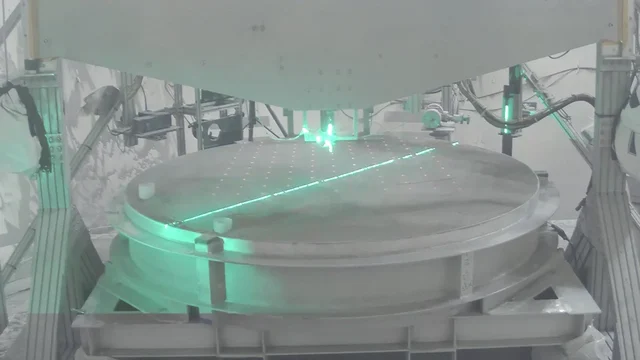
Inside a 60-foot vacuum sphere, NASA is measuring how landing-engine plumes throw lunar soil. The six-second tests target a serious landing hazard.
Future Tech
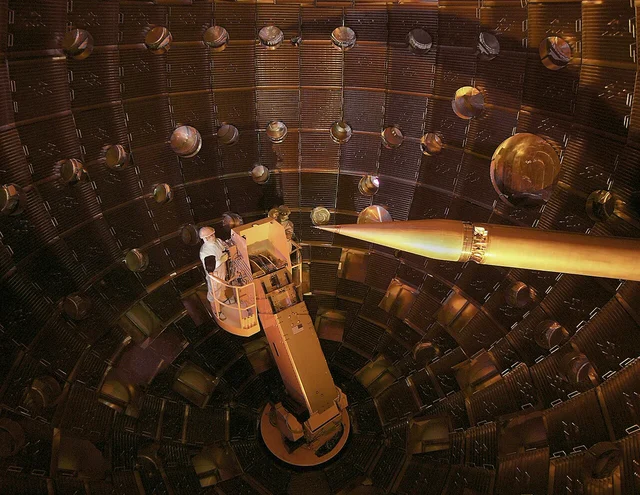
Pacific Fusion broke ground in Albuquerque alongside an NNSA agreement. The milestone matters, but high-yield research and commercial electricity are different tests.
Challenges
An anonymous Hackster giveaway winner says a supposedly sender-billed prize shipment became a collection demand after repeated requests for help went unanswered.
Science That Matters
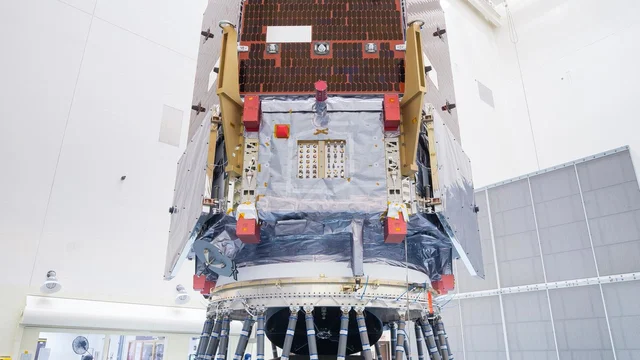
NASA has fueled the Roman Space Telescope and mounted it to SpaceX launch hardware ahead of a no-earlier-than August 30 Falcon Heavy flight.
Challenges
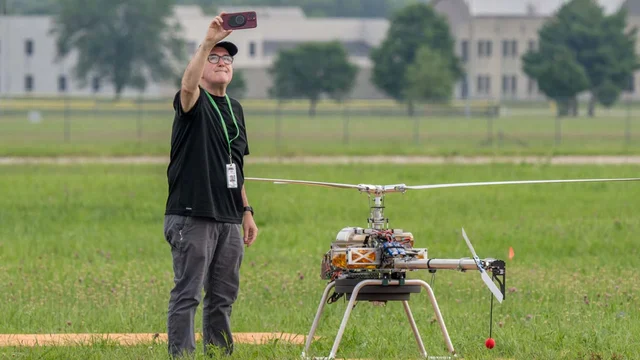
The Lift Challenge put unconventional aircraft through a five-nautical-mile course to test whether small drones can escape a stubborn payload limit.
Future Tech
The EU's Article 50 rules now require notices for chatbots, deepfakes, synthetic media, and some biometric systems, with important exceptions.
Future Tech
A proposed Kentucky AI campus pairs 1.8 gigawatts of computing with new gas generation and battery storage at a former uranium-enrichment site.
Weird Builds
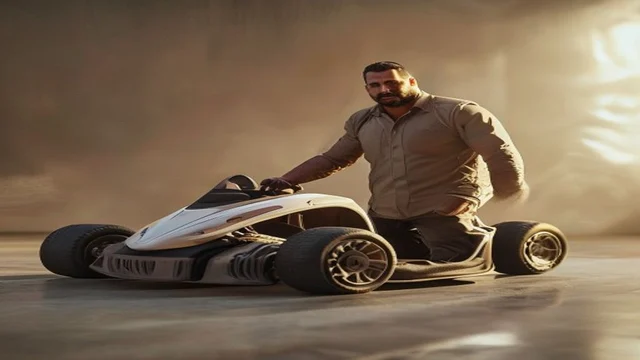
Ivan Miranda designed and built a 3D printed go-kart that can fit in a suitcase, making it easy to transport.
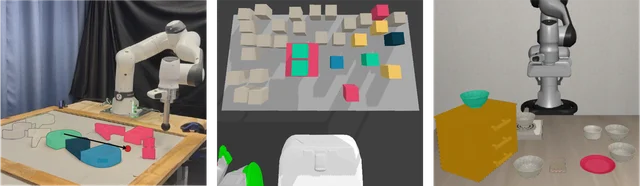
LENS: Figure 1
Aileen Liao, Rachel Holladay, Dinesh Jayaraman, and Michael Posa · CC BY 4.0Figure extracted from the paper; composition unchanged.
Artificial Intelligence
LENS uses a vision-language model to prune or merge scene objects before robot planning, cutting runtimes and recovering success in cluttered tests.
12 stories